Nonverbal and Verbal Toddlers: 12 Fridge Cards

I am a parent sharing what worked at my house, not medical advice. For anything to do with your child's development or sensory needs, talk to your OT or doctor.
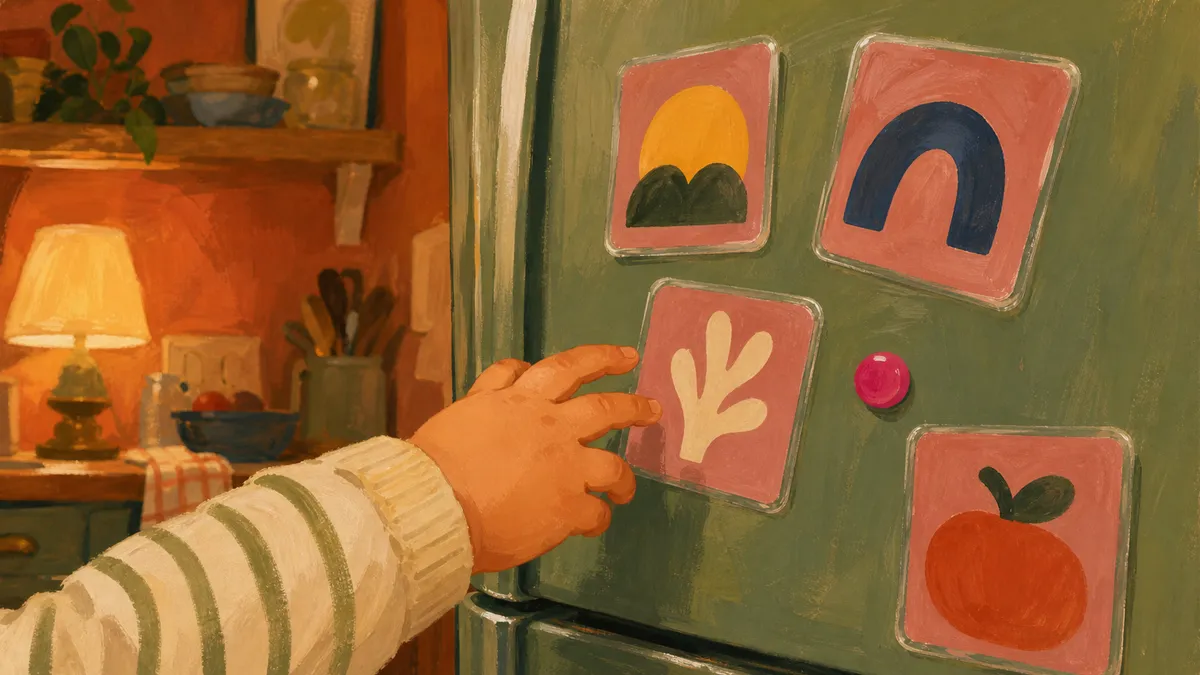
Nonverbal doesn’t mean your toddler has nothing to say, it means they don’t yet have words to say it with, so they need another way to point at what’s in their head. That gap is where the meltdowns live, and it’s also where a stack of simple picture cards on the fridge can give a toddler a way to say what they need tonight, not after months of waiting.
I’m Nora Hayes, a former preschool aide raising an autistic son, and below I’ll walk you through what nonverbal really means for a toddler and the 12 communication cards I’d put on every fridge first.
What Nonverbal Really Means for a Toddler
Nonverbal means a child communicates without spoken words, not that they have nothing to say. Below, the plain meaning first, then the part most people miss: a toddler can lose words on a hard day and still understand every one of yours.
Nonverbal Is Not the Same as Having Nothing to Say
If you want the simplest definition of nonverbal, here it is: your child communicates, just not with their mouth yet. The non verbal meaning people get wrong is the assumption that quiet equals empty. It doesn’t. A nonverbal toddler points, pulls your hand, hums, lines up the blocks, melts down at the wrong sock. That’s all communication, just not the kind that comes out as speech.
What does nonverbal actually mean in the clinical sense? It’s narrower than the everyday version. To define nonverbal properly, the field treats it as one channel of language among several.
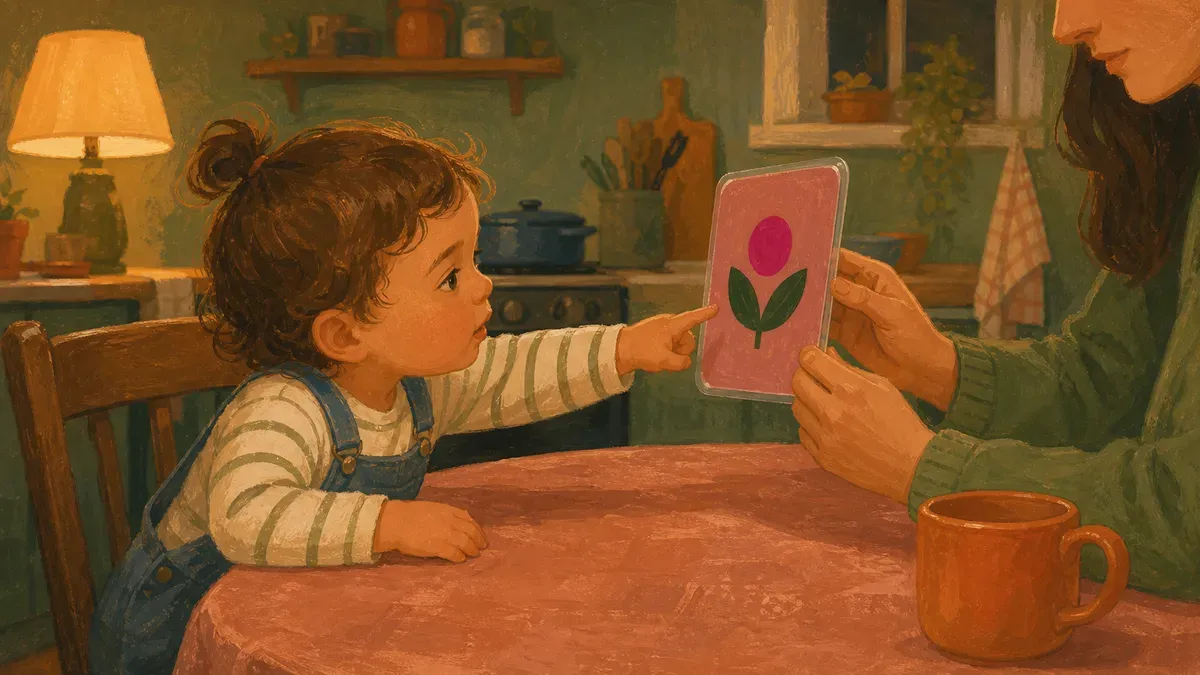
ASHA describes communication disorders as trouble receiving, sending, processing, and understanding ideas across verbal, nonverbal, and symbol systems, which means the nonverbally definition formally counts gestures and pictures as real communication. So the meaning of nonverbal is not “no language skills.” It’s a kid, often neurodivergent, with plenty to say and no spoken words to carry it yet.
When a Verbal Toddler Goes Nonverbal Under Stress
This catches a lot of parents off guard. A toddler who chats all morning can go quiet by dinner, and that’s not stubbornness. When you ask what non verbal mean for a kid who sometimes talks, the answer is that words come and go with the day.
Overwhelm, fatigue, and anxiety pull the words right out. My own son did this for years: fine at home, frozen at the door of a birthday party. Going nonverbal under stress is the brain choosing the cheaper channel when verbal communication costs too much.
The triggers that pull a child into non-verbality vary:
- Frustration when needs go unheard
- Auditory processing lagging behind a loud room
- Sensory overwhelm that shuts verbal output down
And that pattern is exactly why cards earn their spot on the fridge. A child who can usually ask for a snack still deserves a backup when the words won’t come. The card works on the good days and the flat ones both.
How Nonverbal Autism Shapes the Way a Child Communicates
Once you stop waiting for words and start watching for everything else, a nonverbal autistic toddler is telling you plenty. The trick is matching the channel to how their brain actually takes information in, then reading the signals they’re already sending.
Why Pictures Reach Where Words Don’t
For a lot of autistic kids, a picture lands when a spoken word slides right past. That isn’t them ignoring you. It’s how the wiring leans.
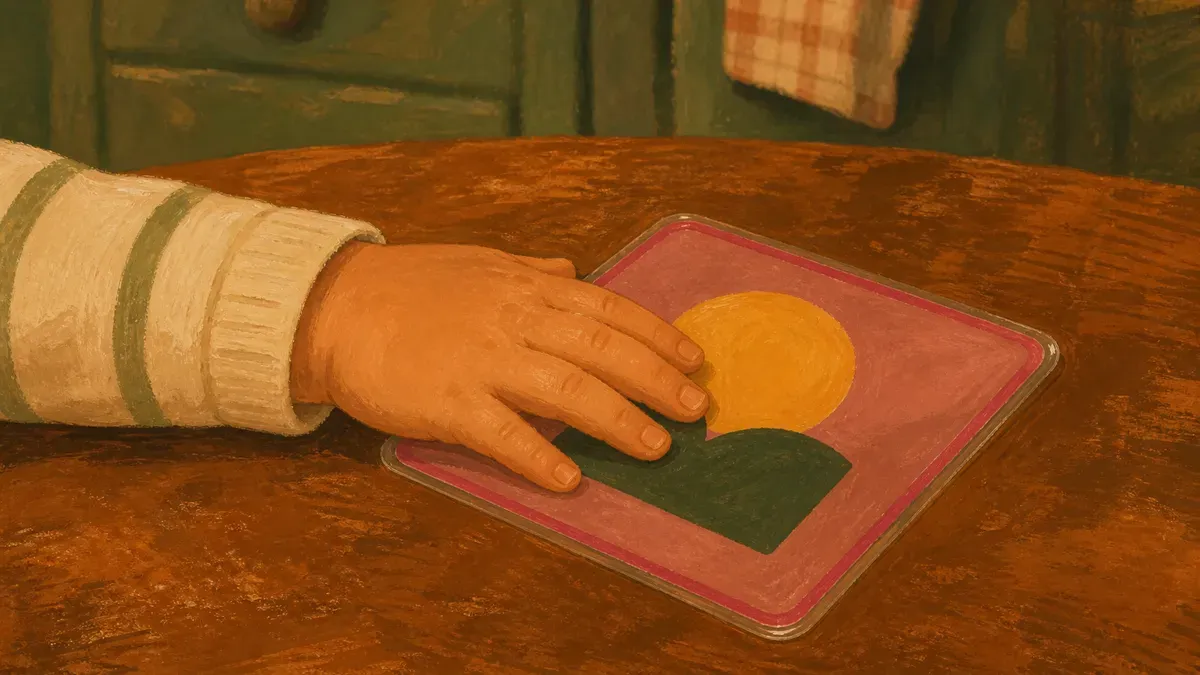
When I’d call across the room for Eli to grab his shoes, nothing. Hand him a shoe card, and he was at the door. The difference comes down to two things.
- Words are loud, fast, and gone the second you say them.
- A card sits there, waiting to be looked at as long as he needs.
There’s science under what so many parents notice at the kitchen table. A 2025 study in research on how autistic children process visual versus auditory input found that autistic children processed visual input significantly more reliably than spoken speech, while typically developing kids handled both about the same.
That gap is the whole reason picture cards work. When you understand what is nonverbal autism doing to auditory processing, you stop fighting it. A nonverbal autistic child isn’t refusing the word. They just can’t decode it fast enough in the moment, and the visual gives them something steady to hold onto. The same pattern shows up when autistic children do talk: some use the third person to refer to themselves, echoing the language they’ve heard aimed at them.
Common Patterns Parents Notice First
Long before any diagnosis, you spot the patterns. A nonverbal autistic toddler grabs your hand and tows you to the fridge, using your whole arm as a tool to point. That dragging is a request, plain and clear.
Then there’s the echoing. Your kid repeats a chunk of a show or your own question back word for word. It sounds like nonsense until you realize it’s a borrowed phrase doing real work.
Parents do ask why autistic children talk in the third person, or refer to themselves as “you.” Saying “you want a snack” to mean “I want a snack” is a known thing, because kids echo what they’ve heard aimed at them.
It’s the same drive any toddler has, just routed differently than the when do babies start talking milestones you read about. Once you see hand-leading and echoing as social interaction, you can answer it.
Communication Cards and Boards: The Tools That Give a Child a Voice
So your toddler is already communicating, just not with words. The next step is handing them a clearer channel, and that starts with knowing the two shapes these tools come in and where they sit in the bigger picture.
Cards, Boards, and How They Differ
A communication card is one picture, one idea. Snack. Outside. Help. You can swap a single card in or out, carry a few in your pocket, or stick the day’s set on the fridge.
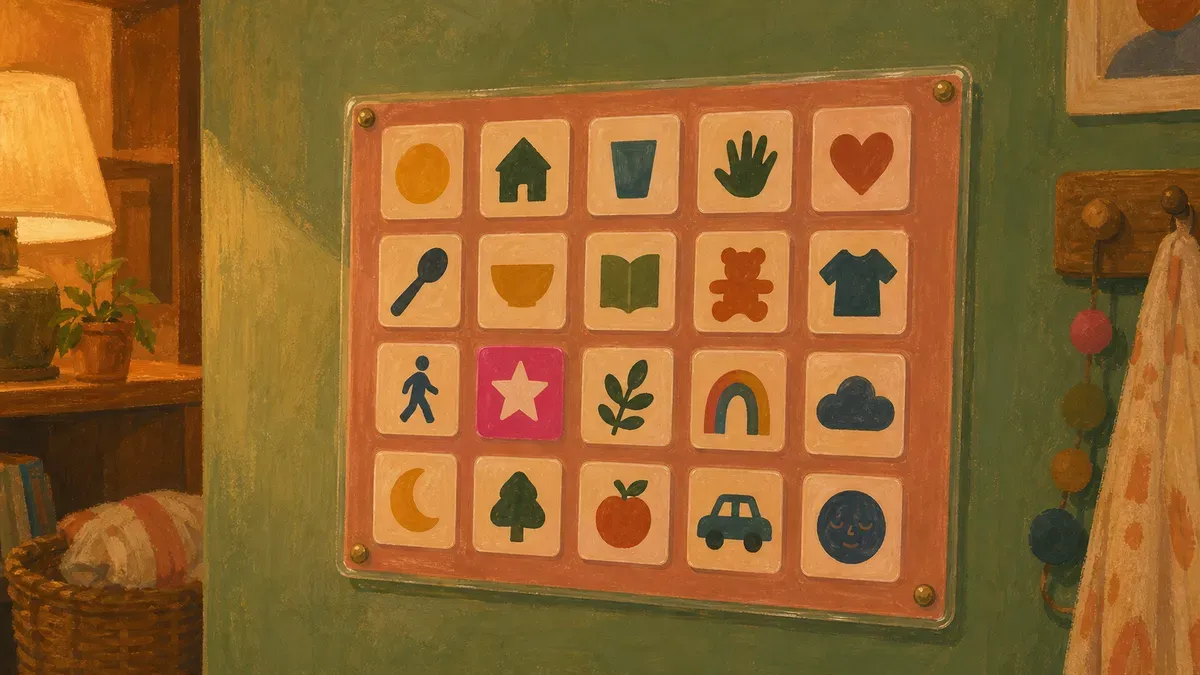
A communication board groups those pictures together on one surface, so your child has a single place to scan and point instead of hunting through loose cards. The Organization for Autism Research describes a basic communication board as a grid of pictures, symbols, letters, or words a child points to in order to say what they need.
That grouping is the whole difference.
- Communication board: fixed to one surface, all pictures visible at a glance
- Individual cards: portable and swappable, easy to slip in a pocket or stick on the fridge
Most homes I know use both, and they layer well with the broader communication social skills you’re already building; each board reinforces what the cards introduce.
Cards travel with you. The non verbal communication board stays put and shows everything at once.
For a toddler, I’d start with a small autism communication board of six to eight high-want pictures on the fridge, then add cards for trips out of the house. You don’t need a fancy comm board to begin. Printed squares in a page protector count.
Searching online for a ‘comunication board’ will pull up the same thing, just a different spelling in the search bar.
Where Cards Fit Inside AAC
Picture cards are the front door to AAC, short for augmentative and alternative communication. ASHA, the national body for speech-language pathologists, files communication by pictures as low-tech aided AAC, a real and legitimate category sitting right beside the high-tech speech-generating devices and apps you may have seen on a tablet. You can read an overview of augmentative and alternative communication for the full map, and ASHA notes a child can use one form alone or mix unaided, low-tech, and high-tech together.
Here’s what I tell the parents at our group: low-tech does not mean lesser. Autism communication cards earn a permanent spot because they work when the tablet is dead, the wifi is down, or your kid is mid-meltdown and can’t tap a screen.
If you’re weighing a device later, how cards compare to aac devices walks through it. For now, the symbols on the fridge are plenty.
The 12 Cards Every Nonverbal Toddler Should Have on the Fridge
You don’t need a binder of forty symbols to start. You need the dozen your toddler reaches for every single day, split into three groups: the basic needs that head off hunger meltdowns, the feelings-and-safety cards that catch distress early, and the routine cards that anchor the day.
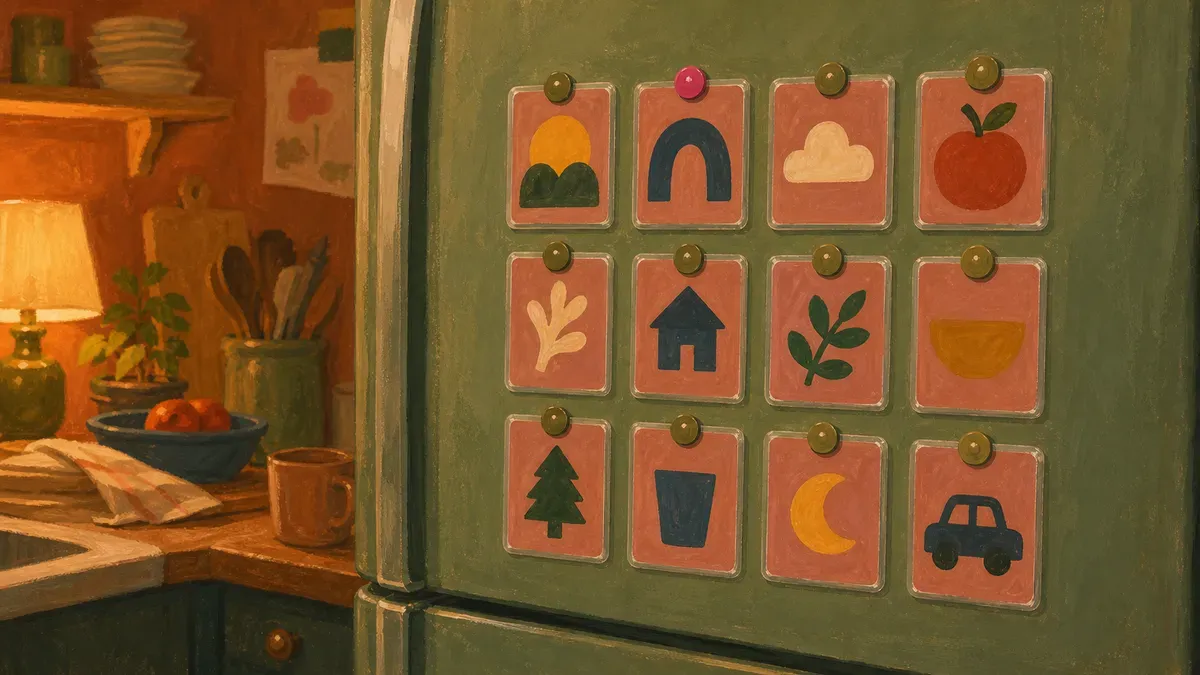
Basic Needs: Eat, Drink, More, All Done
Start here, because most rough afternoons trace back to one thing your kid couldn’t tell you. The four survival cards are eat, drink, more, and all done. These are the words a toddler uses dozens of times a day, and they turn up over and over in core vocabulary, the small handful of words that do most of the heavy lifting in everyday talk.
Think about the witching hour. A hungry kid who can’t say “snack” doesn’t suffer quietly, they melt down. When a child can’t get their need across, the frustration and overload climb fast, and the meltdown is often just the overflow. Hand them an eat card instead and you’ve skipped the guessing game.
More and all done are the two everyone forgets, and they matter just as much.
- More lets them ask for another cracker, one more push on the swing, another round of a game.
- All done lets them say I’m finished before they fling the plate to make the point.
The magic of these nonverbal cards is consistency. Same picture, same spot on the fridge, every day. That repetition is what turns a square of laminated paper into a real word. The all done PECS card is usually the first one a child uses on their own, because being finished is a feeling they’re highly motivated to share.
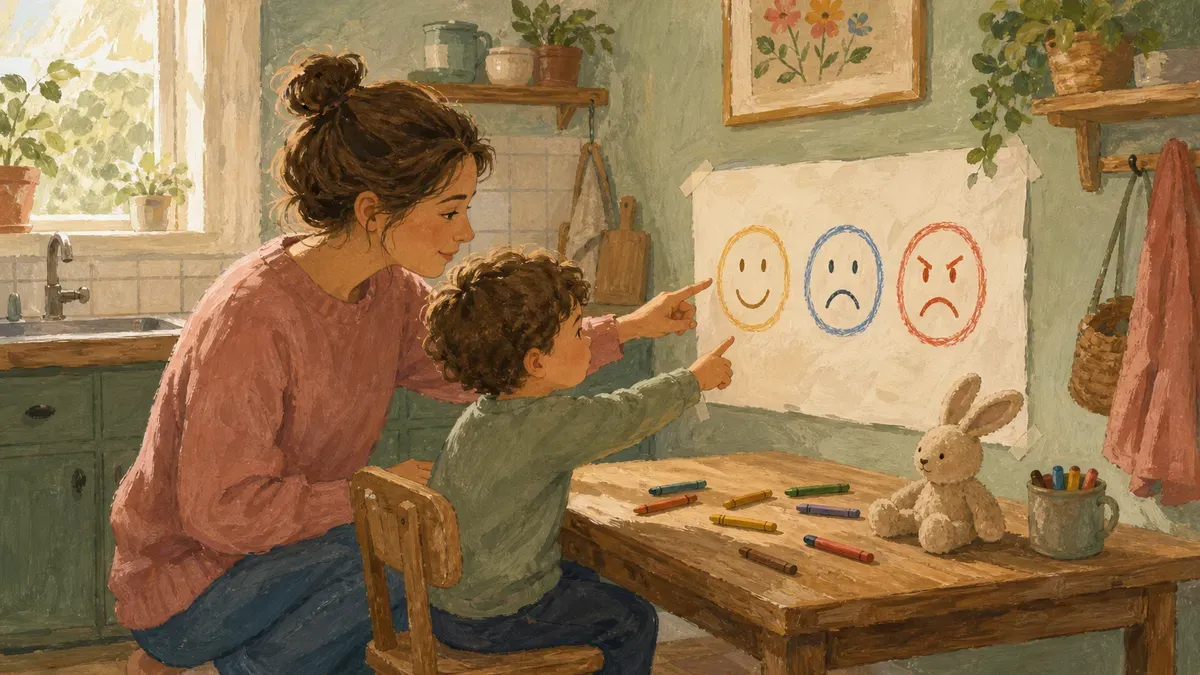
Feelings and Help: Happy, Sad, Hurt, Help, Stop
Basic needs cover the body. This next set covers the inside, and it’s where nonverbal communication cards earn their keep.
A toddler who can point to hurt when their ear aches saves you an hour of frantic guessing. Help is the one that quietly prevents the most blowups: a stuck zipper, a puzzle piece that won’t fit, a juice cap they can’t twist. Without a way to ask, that small snag becomes a big storm. With a card, it’s a two-second request.
- Stop ends something that’s too loud, too close, or too much before they hit the wall.
- Happy and sad take longer to land. They’re a starter set of words for the storm inside.
Pairing these autism picture cards with a feelings chart you keep nearby gives a child more shades than just happy and sad once they’re ready. Name the emotion out loud as you point. You’re not labeling a meltdown, you’re giving it a word your kid can borrow next time.
Routine and Choice: Toilet, Sleep, Play
Three cards round out the dozen, and they run the rhythm of the day: toilet, sleep, and play.
Toilet does double duty. It lets your child tell you they need to go, and it gives you a clean way to offer the bathroom on a schedule without nagging. Sleep takes the fight out of nap and bedtime, because the card makes the next step predictable instead of a surprise. Play is the choice card, the one that lets a kid steer toward what they actually want to do.
One more to keep in your back pocket. As your child starts showing interest in letters, an alphabet board can join the fridge right alongside the picture cards. It’s not a starter tool, it’s a next step. The twelve cards give them a voice today. The alphabet board waits for the day spelling starts to click.
How to Introduce the Cards and Display Them at Home
Having the right twelve cards is only half the job. The other half is rolling them out slowly and putting them somewhere your toddler can actually reach.
Start With Two Cards and Model Every Time
Don’t load all twelve onto the fridge on day one. That’s a wall of pictures for a small kid to sort through, and it usually ends with everyone ignoring the lot. Pick the two your child wants most, the ones tied to a real craving like a favorite snack or the tablet, and start there.
Here’s the first week, roughly:
- Days one to three: introduce two high-motivation cards. Before you hand over the snack, you point to the snack card and say the word. You point, you say it, then they get it.
- Days four to five: keep pointing at every single use. You’re showing them what the card does, not quizzing them.
- Day six on: the first time your toddler points to a card on their own, even once, add a third. Then a fourth, slowly.
That pattern of pointing alongside your own speech has a name, aided language modeling, and guidance on the Picture Exchange Communication System from ASHA backs using it during everyday moments like snack and play. The magic ingredient is consistency: you modeling the card every time, no matter how fried you are. Kids learn the cards by watching you use them long before they use them back, so your modeling matters more than anything else you do in those first weeks.

Make Them Free, Printable, and Fridge-Ready
You don’t need to buy anything fancy to start. Open symbol libraries online share their visuals at no cost, so you can pull a set of free printable communication cards for autism and print them tonight on regular paper.
Want more on weaving these into daily talk? See our full guide to building communication and social skills, and for a gentler start, here’s how to begin with communication cards for a late talker.
Found this useful? Save it for the next rough afternoon.
Questions parents ask me about this
How many communication cards should a toddler start with?
Start with two cards that connect to something your toddler already wants, usually a favorite food or a beloved toy. Once they point to one of those on their own, add a third. Two high-motivation choices teach the pointing habit without turning the fridge into a puzzle to decode.
Will using communication cards stop my nonverbal toddler from learning to talk?
No, and this is the fear parents bring up most often. Giving a child a reliable way to be understood reduces frustration, and reduced frustration tends to support speech development rather than compete with it. Cards fill the gap right now while spoken language develops on its own timeline.
What is the difference between a communication card and a communication board?
A card is a single picture on its own laminated square, portable and swappable. A board is a grid of pictures on one fixed surface your child points at. Cards travel easily to the grocery store or grandma's house; a board on the fridge covers the everyday essentials in one place. Most families end up using both, since they serve different situations.
At what age can a toddler start using picture communication cards?
There is no minimum age, and earlier is generally better. Many families begin somewhere around 12 to 18 months, as soon as a child shows interest in pictures or starts reaching for things they want. If your child is older and you are just now finding picture cards, that is still the right time to start.
Do I need a speech therapist to use communication cards at home?
You do not need a therapist to get started. The basics, a few cards, a consistent spot on the fridge at toddler eye level, and modeling the point every time you use a word, are things any parent can put in place today. A speech-language pathologist can help you build a more tailored vocabulary over time and troubleshoot if things stall, but their guidance expands what you are already doing rather than being a prerequisite for it.
Where should I keep communication cards so my toddler actually uses them?
At their eye level and in the place where the need comes up. Eat and drink cards belong near the kitchen; the toilet card belongs near the bathroom. The core cards live on the fridge at toddler height. Out of sight means out of mind for a two-year-old, so proximity to the moment of need is what turns a card into a habit.
Are free printable communication cards as effective as store-bought ones?
Yes. What makes a card work is the consistency of the picture and a parent modeling the point, not what the card cost. Free open symbol libraries give you clear, standardized images that hold up across every use. Print them, laminate them or tape them to cardstock, stick them on the fridge, and you are set.
Written by
Nora Hayes
Mom of two and a former preschool aide. I share the screen-free sensory play and calm-down ideas I test at my own kitchen table, plus what the moms in my little meet-up swear by. A parent passing on what works, not a doctor or a therapist.
More about NoraKeep going
All Communication & AAC-
 Communication & AAC
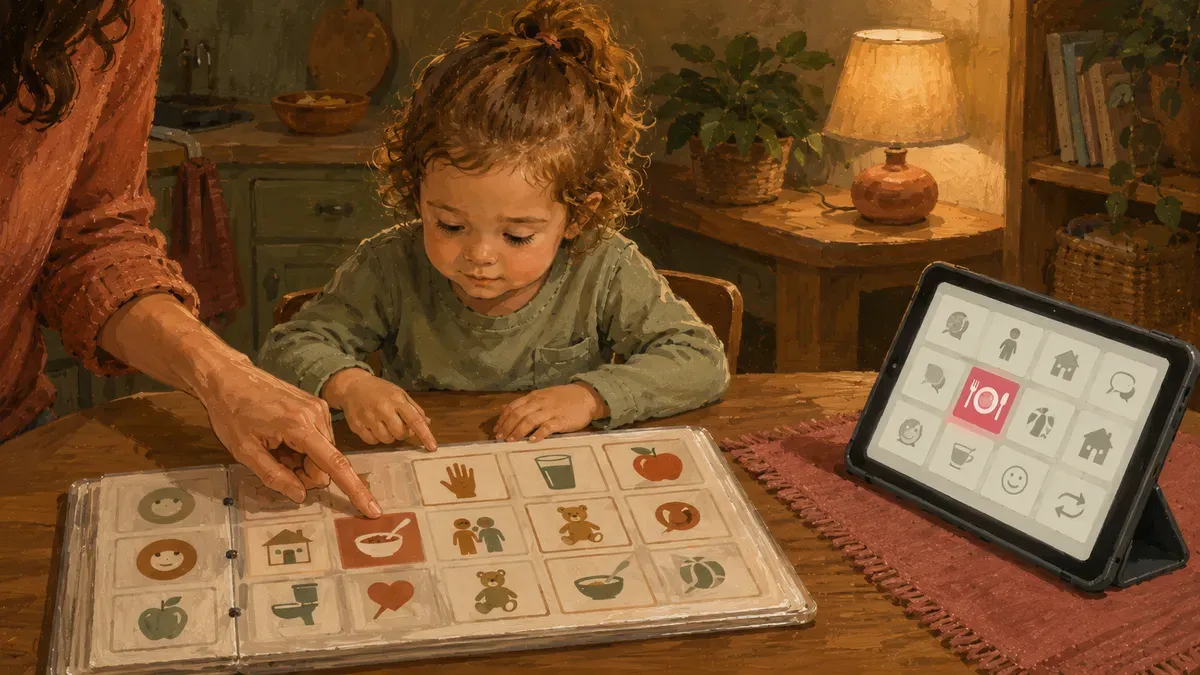
AAC Devices vs. PECS vs. Cards: Which Comes First
AAC devices, PECS, or cards first? See what each does, what it costs, and how to pick the right starting point for your child.
-
 Communication & AAC
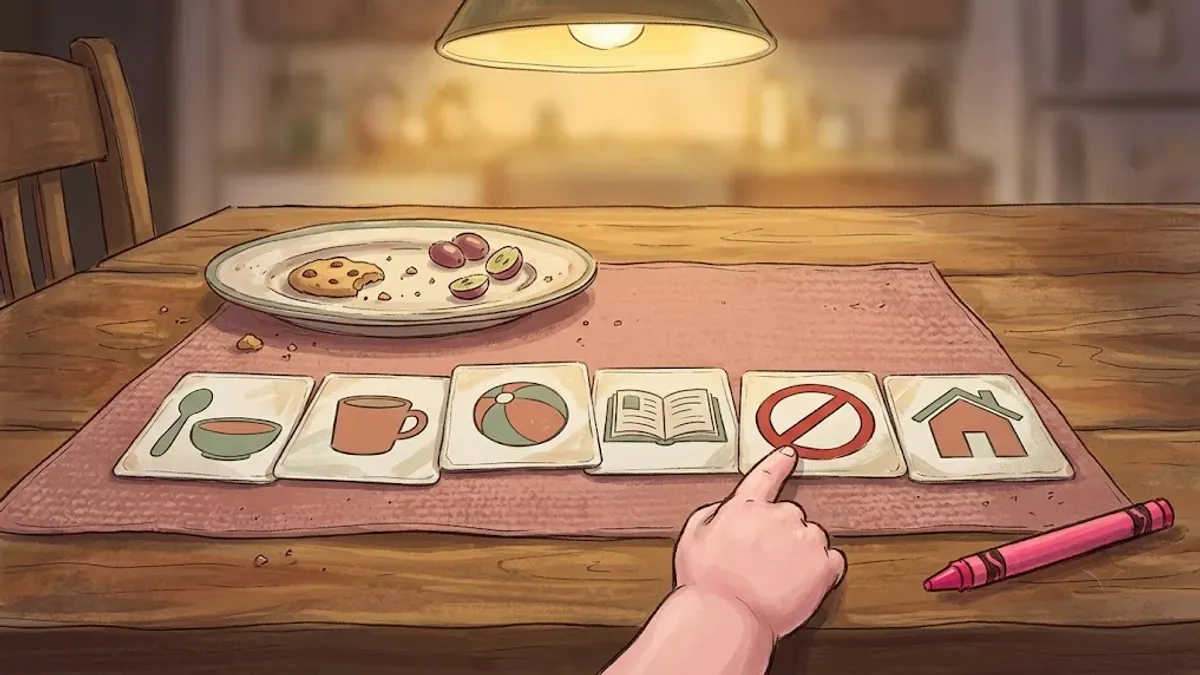
All Done PECS: 6 First-Word Cards to Cut Meltdowns
The all done PECS card is often a toddler's first word, and one of 6 first-word cards that halved our meltdowns. Print your own set free.
-
 Communication & AAC
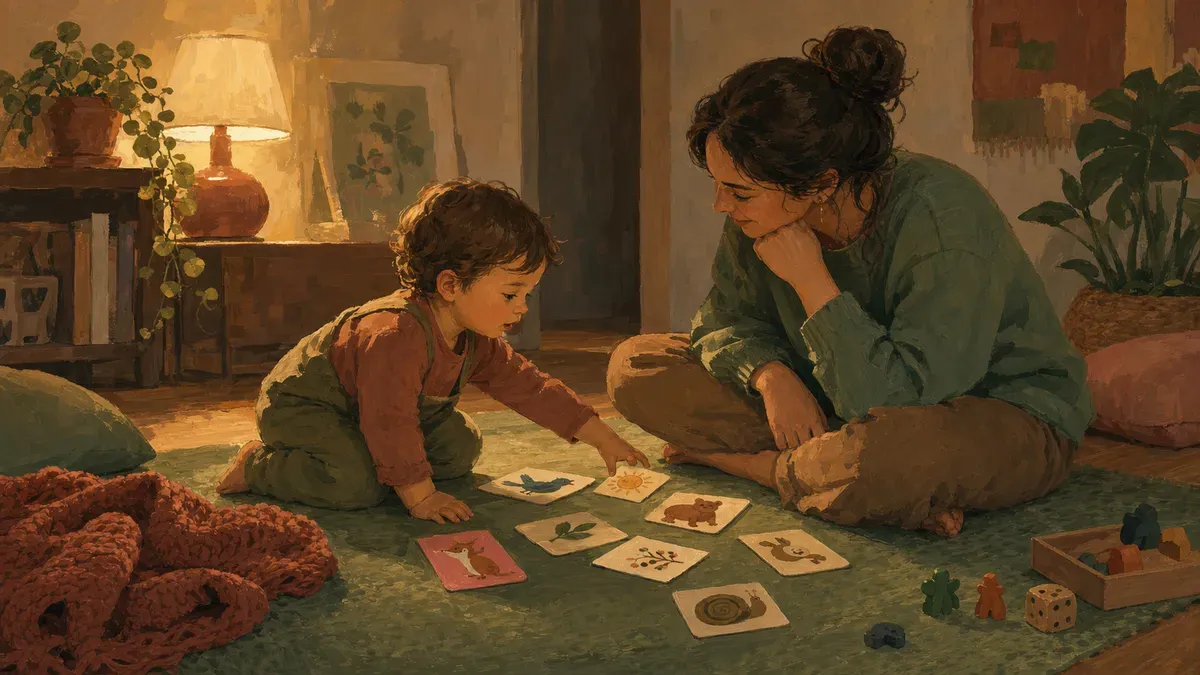
Games for Speech Therapy: Picks for Late Talkers
Most speech games target school-age kids. These games for speech therapy pull words out of late-talking toddlers. Start playing tonight.
-
 Communication & AAC
Second Step at Home: Teach Kids Big Feelings Daily
Second Step skills don't need a classroom. Turn 15 everyday moments at home into social-emotional learning that sticks. Start tonight at dinner.