Learning that looks like play
Learning colors with sorting, dots, and rainbow trays
Sorting, do-a-dot pages, and rainbow trays, because the hands do the teaching.
Learning colors
noun
Learning colors is one skill split into two: spotting a color and saying its name. A toddler can hand you the red block long before the word "red" shows up, and that gap is normal. The activities on this page work the seeing-and-matching side, which is where it all starts, through sorting, hunting, and matching games you can set up in two minutes with what is already on the floor.
Learning & Fine Motor, the latest
-
 Learning Colors
Colours for Childrens: The Order to Teach Them
Teaching colours in a random order slows toddlers down. Get the exact order to teach colours for childrens, plus activities that stick. Start today.
-
 Learning Colors
Color Activities for Preschool That Actually Stick
Most color lessons fail because they teach too many at once. These color activities for preschool use one color at a time so it sticks. Start today.
-
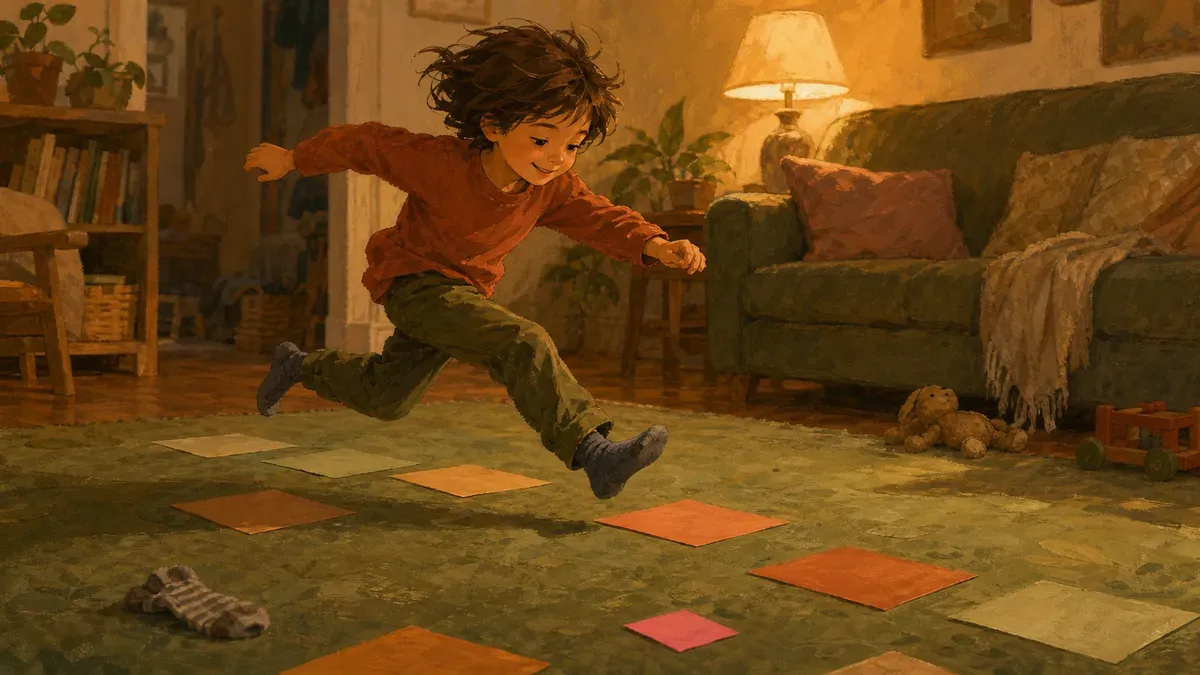 Learning Colors
Color Activities for Kindergarten Kids Who Hate Sitting
Got a kid who won't sit still? These 10 color activities for kindergarten get them moving, learning, and laughing. Try them now.
-
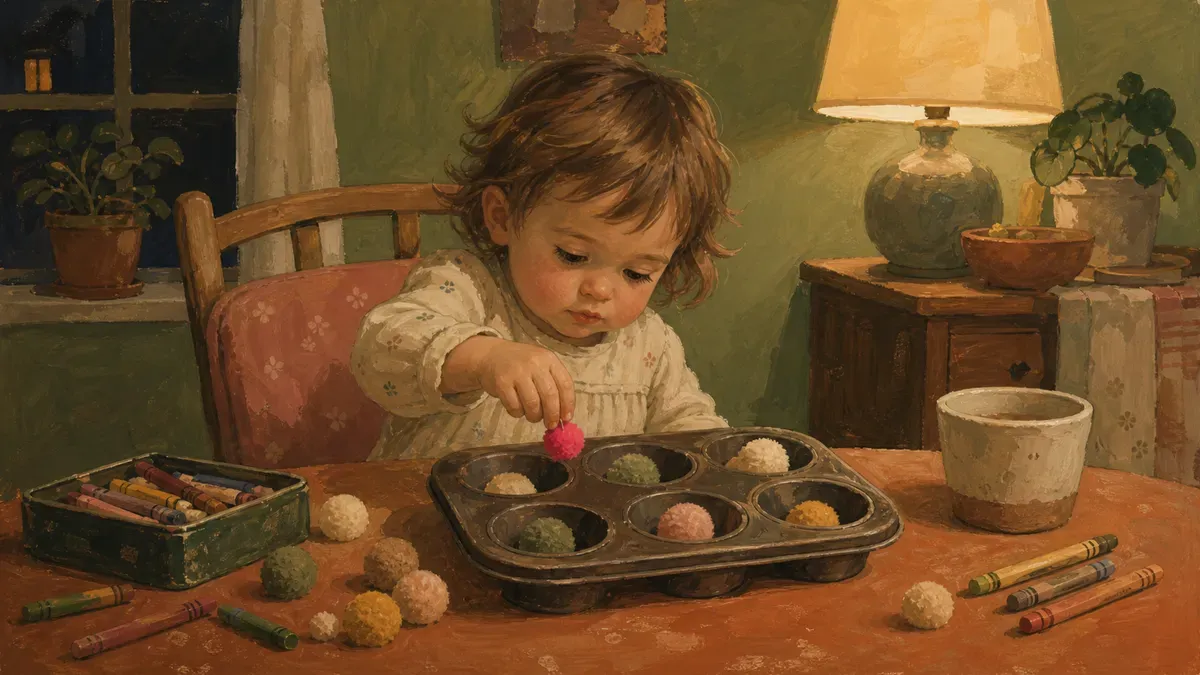 Learning Colors
Color Activities: 20 No-Buy Ideas From Your Home
Color activities you can set up in 2 minutes with household stuff. 20 no-prep sorting, matching, and mixing ideas kids love. Try one today.
-
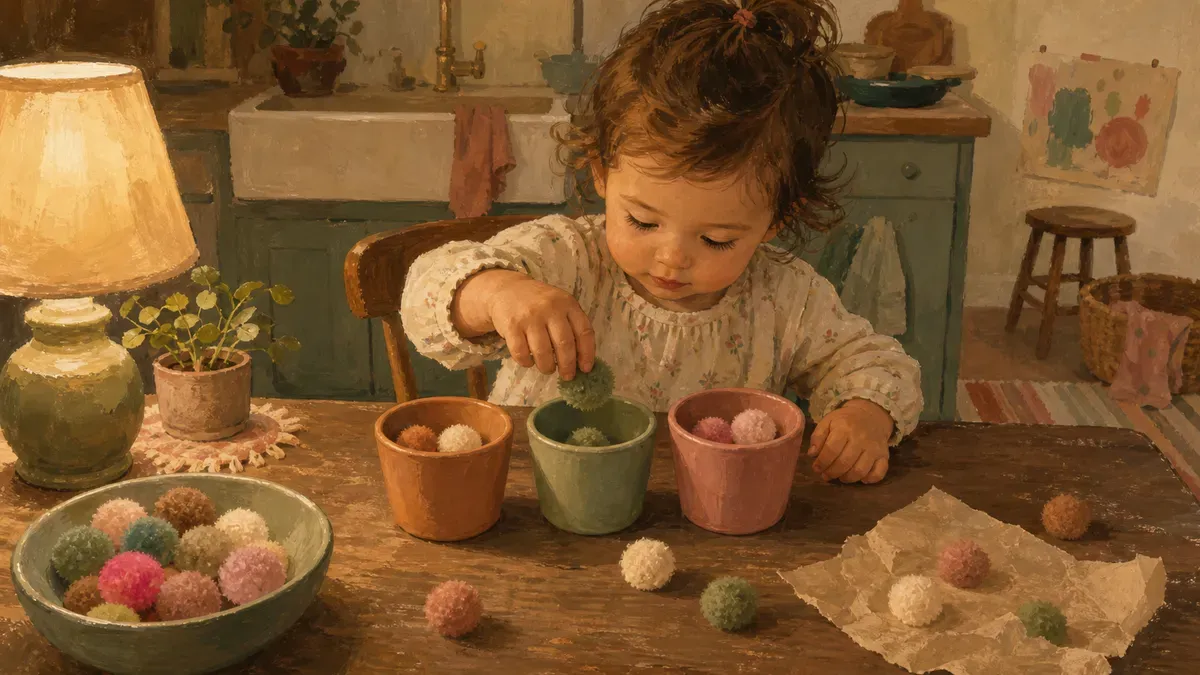 Learning Colors
Color Activity That Clicked for My 2-Year-Old
This 5-minute color activity finally clicked for my 2-year-old when nothing else did. See the setup, why it works, and what to try when it flops.
-
 Learning Colors
Learn Color Game: Play "Find Me Red" Anywhere
No supplies, no prep: the "find me something red" color game turns any walk, store run, or waiting room into a learn color game your toddler loves.
About this guide
This is the doing, not the theory. Which color to teach first, how to run a sort so it actually clicks, what to fill the cups with, and the one thing to watch with the tiny pieces. It is aimed at toddlers and preschoolers, roughly eighteen months through five. The rule for the youngest or any kid still mouthing things stays the same as everywhere else on this site: if it is not safe in their mouth, it does not go on the tray.
How to run a color activity that actually sticks
Pick one color and stop there. Red is the easiest to spot, so most families start with it, then blue, then yellow. Stacking five colors on day one splits a toddler's attention and slows the whole thing down. One color, a few days, then the next.
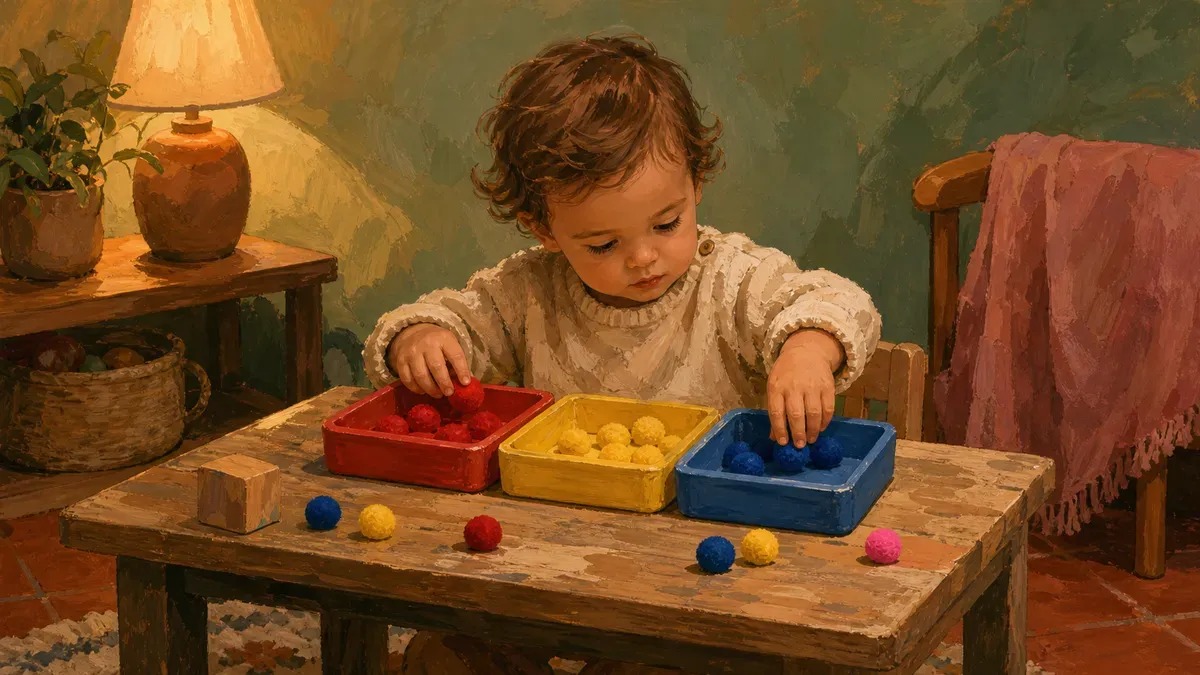
Match before you quiz. Set out objects in your one color next to a cup or tray of the same color and let them pair up the matches. Sorting clicks earlier than naming, so lead with it and let the word come later, on its own.
Use real stuff they can hold. Pom-poms, blocks, socks, bottle caps, crayons. Hands-on beats a flashcard every time at this age, because the color goes in through their fingers and their eyes at once.
Say the color, do not test it. Name it out loud as they work ("you found a red one") instead of grilling them with "what color is this?" Naming on repeat teaches. A pop quiz mostly just shuts a two-year-old down.
Keep it short and end on a win. Three or four minutes is plenty. Stop while they are still into it, not after it falls apart, and they will come back to it tomorrow.
Fold it into the day. Name the blue cup at lunch, the red shirt at the dresser, the green car on a walk. The everyday repetition is what makes a color stick, far more than any one setup.
What to sort with, by where it lives in your house
- Already in the kitchen:colored cereal loops, dyed pasta, plastic cups, bottle caps, silicone muffin tins for sorting into. The cheapest color bin there is, and you can start in the next two minutes.
- From the toy bin:building blocks, stacking rings, plastic animals, toy cars, big beads. Group by color into bowls, then dump and go again. Toys you already own, zero prep.
- The craft-drawer classics:pom-poms, buttons, foam shapes, paint chips, colored tape. The go-to for muffin-tin sorts and matching games. Small, so save these for kids past the mouthing stage.
- No-supply, anywhere:a color hunt around the room, the find-me-something-red game on a walk, sorting the laundry by color, I Spy in the car. Nothing to buy, nothing to clean up, learning on the move.
Most of the best sorting bits are small, and that is the catch. Pom-poms, beads, buttons, and dry pasta all fit the size that can choke a child under three. The CPSC's small-parts rule treats anything that fits inside a tube about the width of a toilet-paper roll as a hazard for that age, so an empty roll is a quick home check. For toddlers and any kid still putting things in their mouth, go bigger (blocks, cups, plastic animals) and stay within arm's reach the whole time. Any worry about how your child sees or names colors is a question for your pediatrician, not a craft blog.
Quick answers on this one
What is the best first color to teach a toddler?
Red, for most kids. It is the easiest color to pick out, so it gives a toddler an early win, then blue and yellow round out the three primaries. Teach one at a time, a few days each, and hold off on green, orange, and purple until those first three are solid. Starting with a child's own favorite color works too, since the buy-in is already there. If you want the full sequence, here is the order to teach colors.
At what age do toddlers learn their colors?
It happens in two stages. Matching and recognizing colors starts around eighteen months to two years, and reliably naming them usually lands closer to three or four. So a kid who sorts the red pom-poms perfectly but calls them "blue" is right on track. The naming just runs a year or so behind the seeing, and that lag is completely typical.
Should I teach my child to match colors or name them first?
Match first. Sorting and pairing come easier and earlier than saying the word, so start there and let the names follow. Set out objects in one color, let your child group the matches, and name the color out loud while they work. The word catches up through that everyday repetition, no flashcards or drilling required. For setups, here are twenty no-buy color activities from stuff already on your floor.
Why does my toddler keep getting colors wrong?
Usually because the word and the color are still wiring together, and that takes time. Toddlers and even three-year-olds routinely swap blue and green or yellow and orange, and it sorts itself out with everyday naming during snack, laundry, and getting dressed. Mixing colors up before age four is normal. If a child is past four or five and still confused on most colors despite plenty of exposure, that is worth raising with your pediatrician.
What if my kid will not sit still for a color activity?
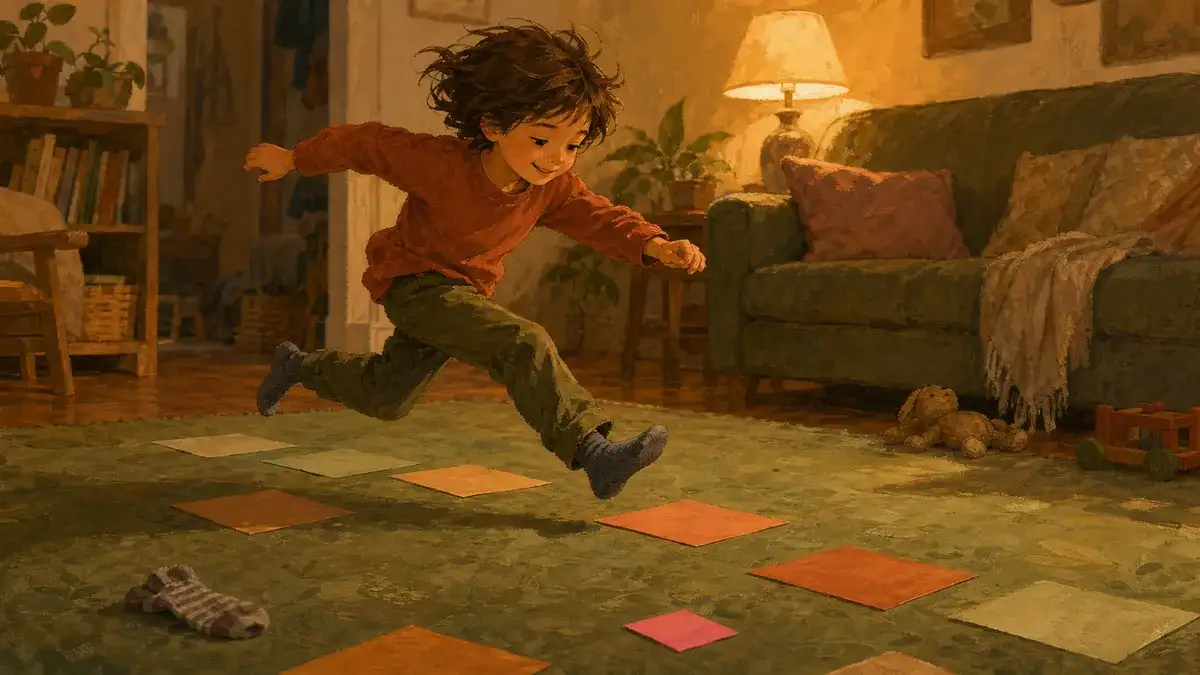
Then do not make them sit. Plenty of color learning happens on the feet: a run-and-touch game where you call a color and they sprint to match it, a color scavenger hunt around the house, beanbags tossed into colored bins, or sorting the laundry standing at the basket. A kid who needs to move is not behind. The color just has to come through the movement instead of around it.
Free printables, coming soon
Want these as printables?
I am slowly turning activities like these into free print-and-go pages. Tell me where to send them and you will get an email the day each one is ready.
One email when there's something worth printing. Unsubscribe anytime.