
Walk through it before it happens
Social stories that walk a kid through the thing before it happens
Editable picture scripts for the haircut, the dentist, the first day. A heads-up, not therapy.
Social stories
noun
A social story is a short, plain script that walks a kid through one situation before they are standing in the middle of it. A few sentences, written from their point of view, describing what happens, what other people are doing, and what they can try. Carol Gray built the format back in 1991 for autistic kids, and the whole idea is gentle: you are not correcting anyone, you are handing them the information nobody thought to spell out.
Special Needs, the latest
-
 Social Stories
Social Stories for Kids With Autism: 20 Essentials
Social stories for kids with autism, made simple. Master the 6-step method and build the 20 essentials every autistic child needs.
-
 Social Stories
Social Story Templates: Edit Them to Truly Fit Your Kid
Free PDF social stories rarely fit your child. Learn to edit social story templates in minutes so every word, photo, and step is truly yours.
-
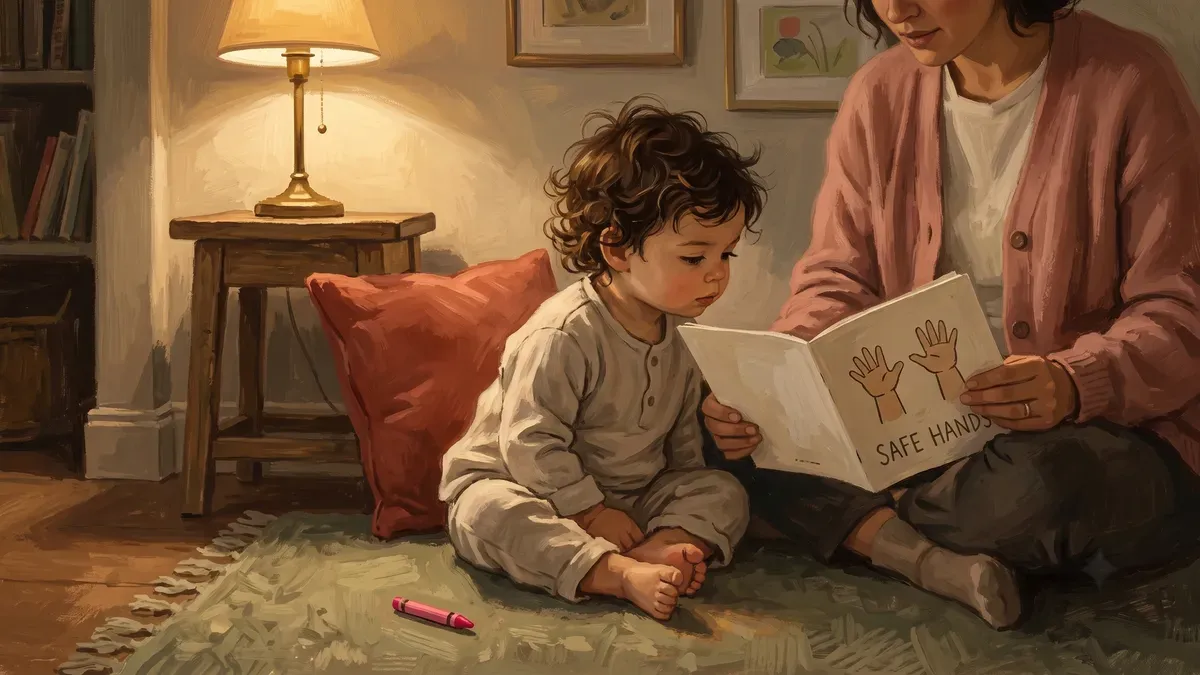 Social Stories
No Hitting Social Story for Hands That Won't Listen
Hands that hit, bite, and push aren't bad, they're overwhelmed. This no hitting social story teaches safe hands and what to do instead.
-
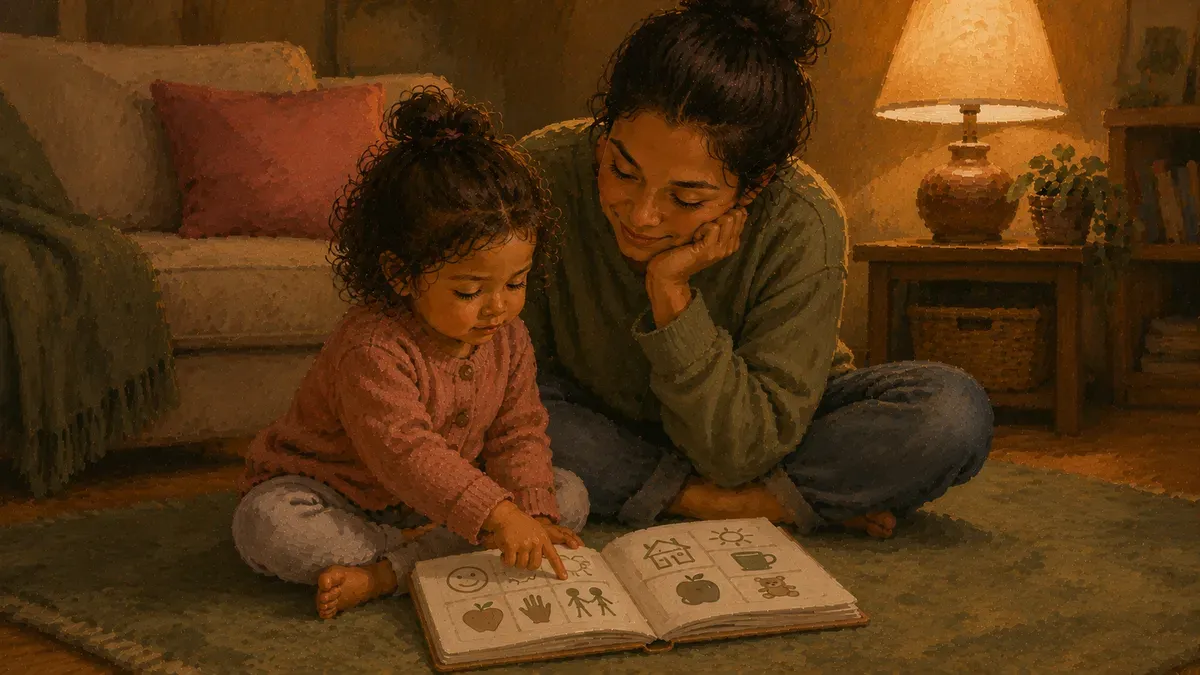 Social Stories
Personal Space Social Story: Teach Hugs & Asking First
Hug by rule or by choice? This personal space social story teaches kids to ask first, say no, and read body bubbles. Start using it today.
-
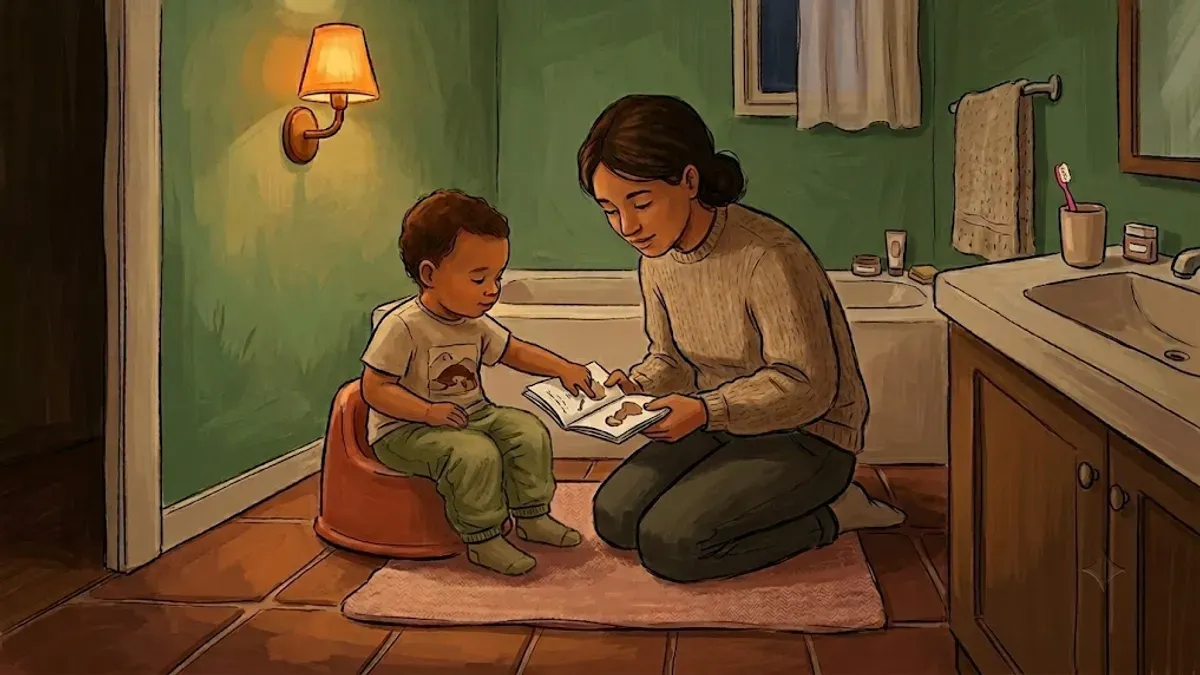 Social Stories
Potty Training Social Story: The Script That Worked
We read this potty training social story 40 times before it clicked. Get the full script, why it works, and make it yours. Grab it now.
-
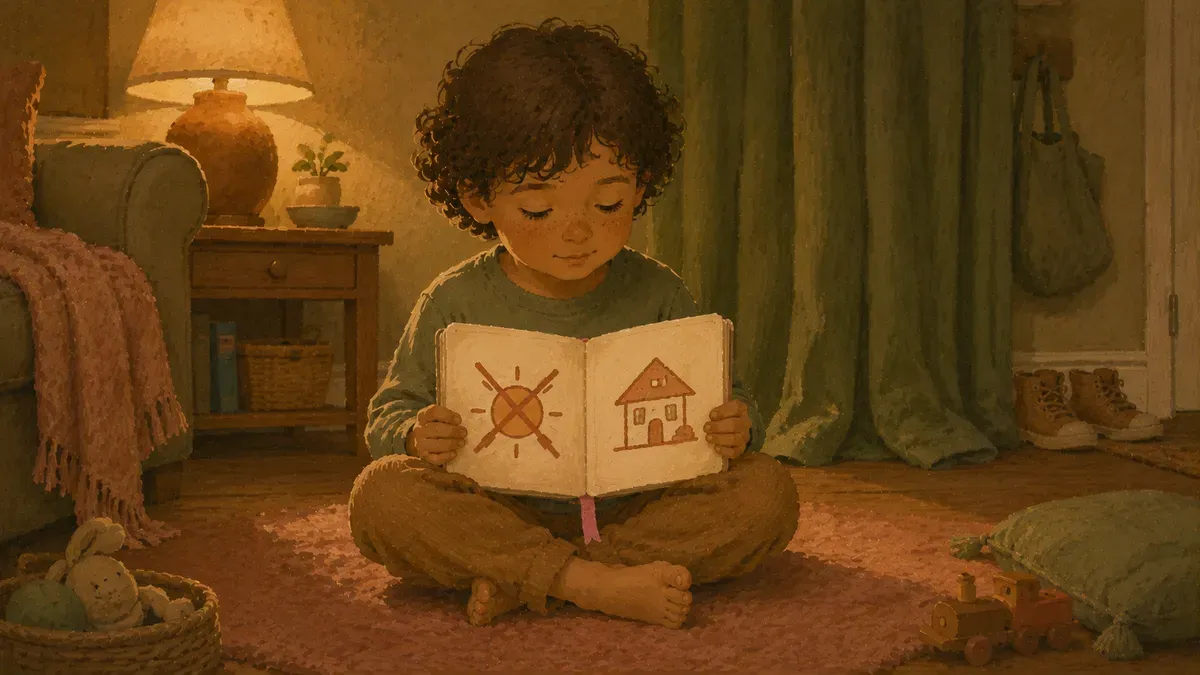 Social Stories
Social Story About Transitions for Surprise Changes
When the routine changes last minute, a social story about transitions softens the panic. See how to use one for surprise days. Start today.
-
 Social Stories
Story Social Basics: A Beginner's Honest Guide
New to story social? Learn what social stories are, when they help, and the 5 beginner mistakes that quietly sabotage them. Write your first today.
-
 Social Stories
Carole Gray Social Story Method, Step by Step
Carole Gray's social story method, walked through step by step. Write one that actually changes your child's behavior. Start today.
About this guide
This page is the story itself, not the broad how-to-support-an-autistic-kid talk. How to write one that lands, which sentence types do the heavy lifting, the topics worth a story (the haircut, the fire drill, hands that hit when big feelings hit), and how to actually use it so it works. It pairs naturally with a visual schedule or a first-then board, and it is a tool you keep within reach, not a one-and-done fix.
How to write a social story your kid will actually listen to
Pick one situation, and make it small. Not "going to school." The drop-off line. The dentist chair. The moment a friend takes the toy. A story tries to do one job, so a narrow target beats a sweeping one every time.
Watch what actually trips them up first. Sit with the real moment before you write a word. Is it the noise, the waiting, the not-knowing-what-comes-next? You write to the thing that gets hard, not the thing you assume gets hard.
Write it from their side, in the present, in "I." "I am at the barber. The clippers buzz. The buzzing feels loud, and that is okay." First person, present tense, calm. Never "you need to," never a lecture from above.
Lean on describing, go light on directing. Carol Gray's rule of thumb is a handful of descriptive sentences (what happens, how people feel, why) for every one that tells the kid what to try. More information, fewer commands. It keeps the story supportive instead of bossy.
End with the one thing they can do, said kindly. "When it feels too loud, I can squeeze my hands or ask for a break." One clear, doable move, framed as a choice they get to make, not a rule they will break.
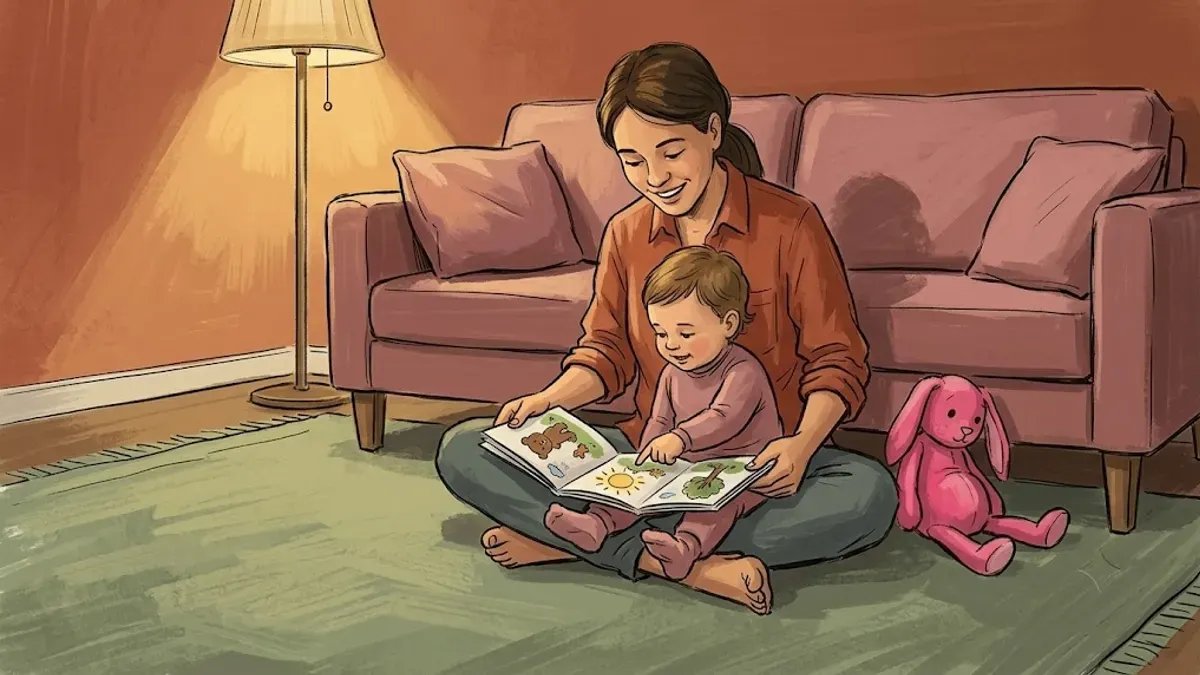
Read it calmly, before the moment, on repeat. Cozy couch, normal voice, well ahead of the event, not in the heat of a meltdown. Some kids need it once. Eli needed the potty one read maybe forty times before it clicked. Repetition is the method, not a sign it is failing.
What goes into a social story (and which stories to write first)
- The sentence types that do the work:descriptive (what happens and who is there), perspective (how people feel and why), and directive (the one thing to try). Gray's ratio leans hard on the first two. A story that is all directives reads like a list of rules, and kids tune those out fast.
- Make it theirs, not a generic PDF:their actual name, real photos of the real place or a few simple drawings, the words your family already uses. A free printable is a fine skeleton, but the version that works names your kid and pictures your dentist, not a stock one.
- Stories worth writing first:the everyday hard ones. Potty training, safe hands when feelings get big like a no-hitting story for hands that won't listen, asking before a hug and reading personal space, a surprise change to the routine, a haircut or a doctor visit, the first day somewhere new.
One honest expectation: a social story is a teaching tool, not a behavior plan and not a cure. The research is mixed and points the same way. Stories help a kid reach a specific, named goal, they do not fix everything or work overnight. They are also not for the middle of a meltdown, when no kid can take in words; you read them calmly beforehand. For anything medical, or a real behavior or safety concern, your child's pediatrician, OT, or speech therapist is the call, not a story off the internet.
Quick answers on this one
What exactly is a social story?
It is a short script that explains one social situation from the kid's point of view, before they are in it. A few calm sentences describing what happens, how people feel, and one thing they can try. Carol Gray created the format in 1991 for autistic kids, though plenty of parents use it for any kid who does better knowing what is coming. The point is to share information gently, not to correct behavior.
How do you write a social story for a child?
Pick one small situation, then write four or five short sentences in first person and present tense ("I am at the store. It is loud. I can hold the cart."). Describe more than you direct: Gray suggests several describing sentences for every one that tells the kid what to do. End with one kind, doable suggestion framed as a choice. Use their name, real photos help, and keep the language as plain as how you actually talk to them. The full walkthrough is Carol Gray's method, step by step.
When should I read the social story?
Calmly, ahead of time, not in the middle of the hard moment. Read it on the couch in a normal voice, before the haircut or the drop-off, so the words land while your kid is regulated. During a meltdown nobody can take in a script, so that is the wrong time. Then reread it. Some kids get it in one pass, others need the same story dozens of times before it sticks, and the repeating is the whole method.
Do social stories actually work?
They can help with a specific, named goal, and that is the honest version. The research is mixed: studies show stories support a kid toward one socio-emotional target more than they overhaul behavior across the board. So write one story for one situation, keep your expectations real, and treat it as a tool in the kit alongside a visual schedule or a first-then board, not a switch that fixes everything.
At what age can a child use social stories?
Roughly toddler age and up, once a child follows a simple picture book and a sentence or two of story. For younger kids, fewer words and more pictures. For older ones, you can add detail and let them help write it, which often gets more buy-in. Match the language to where your child is, not their birthday, and follow their lead on how much they can take in at once.
More in Special Needs
Free printables, coming soon
Want these as printables?
I am slowly turning activities like these into free print-and-go pages. Tell me where to send them and you will get an email the day each one is ready.
One email when there's something worth printing. Unsubscribe anytime.