Potty Training Certificate: The Just-Tell-Me Guide

Some links here are affiliate links. If you buy through one, I may earn a small commission at no extra cost to you. As an Amazon Associate I earn from qualifying purchases. I only point to things I'd actually use with my own two.
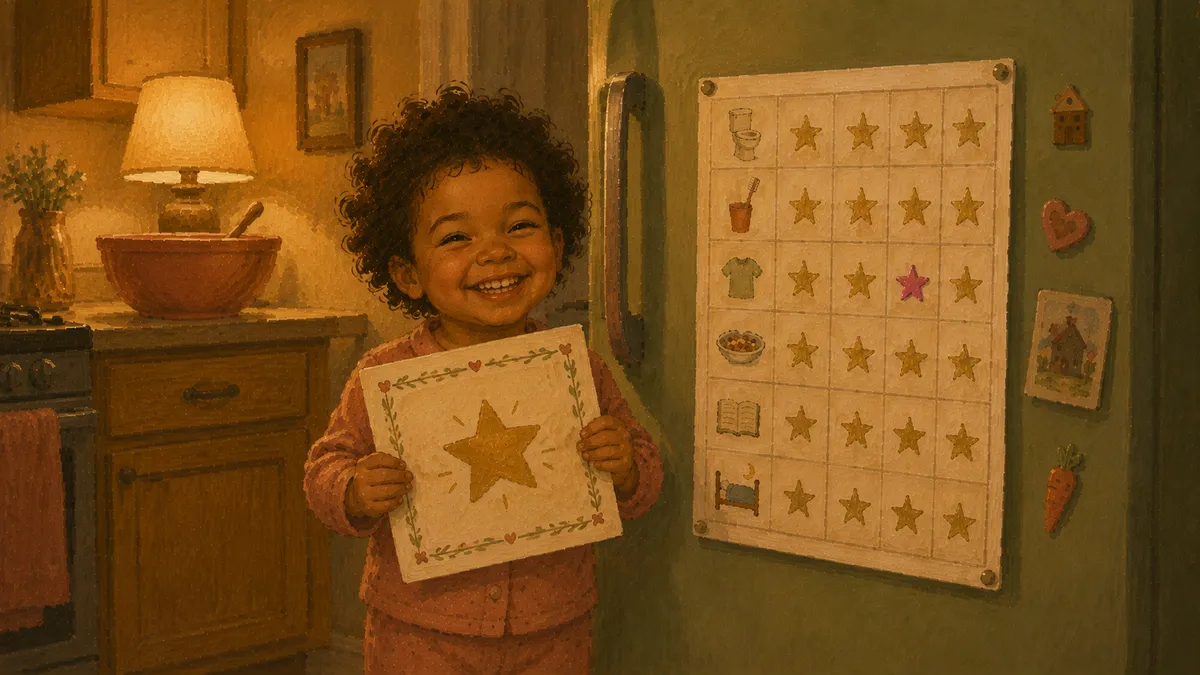
A potty training certificate is a printable diploma you hand your toddler the day they finally stay dry, the little graduation moment that makes the whole effort feel done. I’m Nora Hayes, a former preschool aide and mom of two, and I’ve watched a piece of paper with my kid’s name on it land harder than any sticker ever did, because it says you finished instead of keep going. This guide walks you through the three moves: run the chart, make the certificate, and throw a two-minute ceremony your kid actually remembers.
The plan in brief:
- Run a sticker chart for 10-14 days, until your toddler stays dry between potty trips.
- Print or make a certificate with your child’s name and the date on it.
- Hand it over at a small graduation moment and let them hang it where they can see it.
Make and Award the Certificate in 5 Steps
Awarding the certificate takes five steps, and none of them need a craft store run. Below, you’ll get the exact order, from peeling that first sticker to printing the diploma, plus the few words on the page that make a three-year-old stand a little taller.
From First Sticker to Final Diploma
Five steps, no laminator, no craft store run. Here’s the order I ran with June, start to finish.
- Track the wins. Every dry trip earns a gold star on the chart. Stars are the daily proof your kid is climbing toward something, and stacking small successes is the whole engine here.
- Set the finish line. Pick the number out loud: “Ten stars and you graduate.” A toddler can’t picture “a few weeks,” but she can count to ten and watch it get close.
- Fill in the certificate. When she hits the goal, write her name and the date on the printable. Seeing her own name in big letters is half the magic.
- Hold the award moment. Thirty seconds, tops. Everybody claps, you read it out, you hand it over. The praise lands harder when it’s a tiny ceremony instead of a passing “good job.”
- Hang it where she sees it. Tape it to her bedroom door or the fridge at her eye level, not yours.
That display step is the one people skip, and it’s the one that does the quiet work. June’s still walked past hers on the hallway wall for weeks, pointing every time.
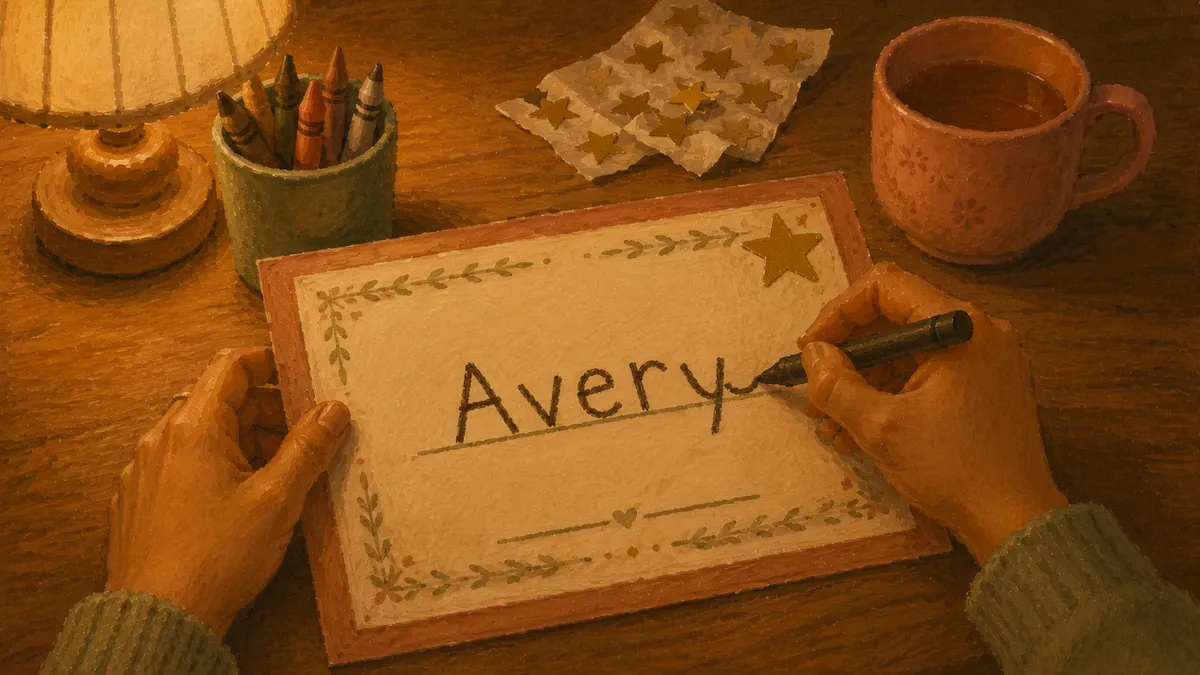
Keep this short potty training checklist taped inside a cabinet so you’re not rebuilding the plan each morning. Five moves, and the last one carries the milestone long after the stickers run out.
Wording That Makes a Toddler Proud
The words on the certificate carry more weight than the border or the clip art. Keep them big, simple, and about the kid. A toddler can’t read it yet, but they hear you read it out loud, and that’s the part that builds the little burst of pride.
Copy any of these straight onto your printable:
- Official Potty Training Graduate (the crowd-pleaser, and the one June asked me to read twice)
- I Use the Potty All By Myself!
- Big Kid Underwear Champion
Underneath, add the name in the largest font, the date, and a parent signature. The signature is the secret sauce. Eli, my older one, treated his like an official document because Mom signed it.
Name, date, your name at the bottom. Read it like it’s an Olympic medal, because to a three-year-old, it is.
Why a Certificate Beats One More Sticker
A finish line changes things. Daily stickers don’t have one, so the chart just keeps going with no moment where your kid gets to feel done. That gap is why a certificate matters, and why it slots in right where the chart leaves off.
The Psychology of a Finish Line
Sticker twelve looks exactly like sticker three, and your toddler never gets to feel done. A certificate draws the line they can’t see on their own.
Research on goal completion from Stanford Medicine found motivation runs strongest right at the endpoint, when one last action finishes the whole thing. A finish line your kid can name is what turns potty learning from an open-ended slog into something they actually accomplished.
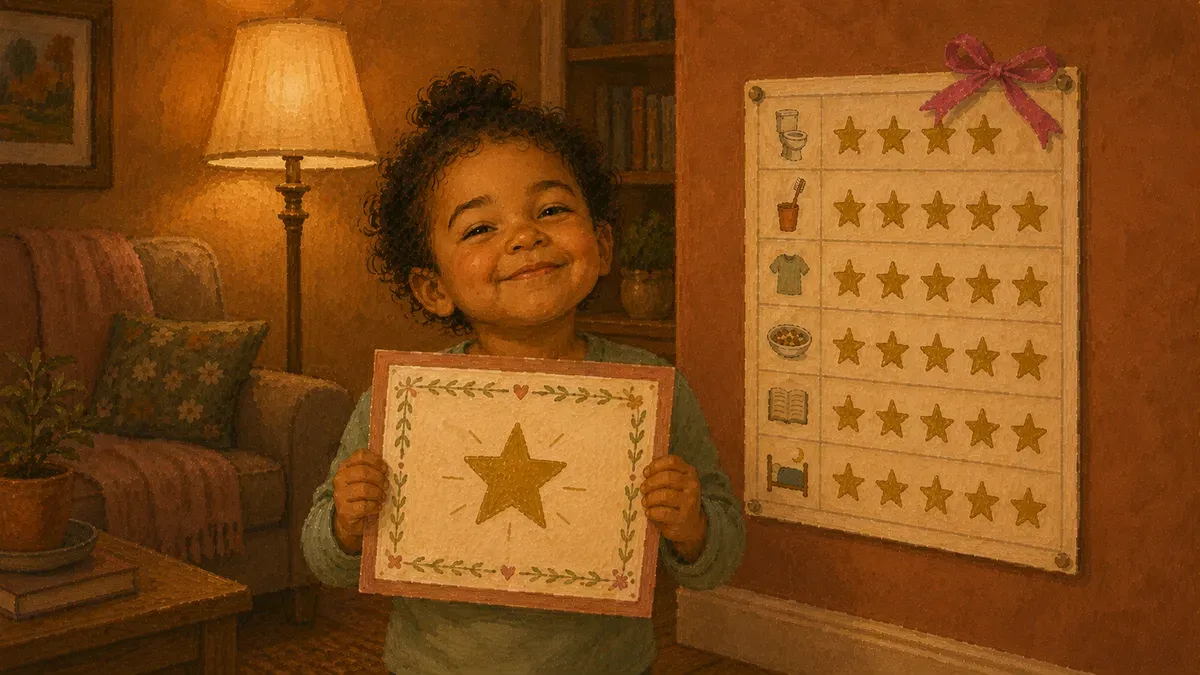
Here’s what the certificate does that the next sticker can’t:
- Marks a clear endpoint, so the effort closes instead of dragging on
- Builds confidence by naming the win out loud, not just adding another star
- Locks in the new habit with a moment of real pride your kid remembers
- Carries positive reinforcement that points backward at success, not forward at more work
The chart got them there. (Steal layout tweaks from these potty training chart ideas if yours stalled.) The certificate is what tells them the potty training part is behind them now, and that feeling is the one that sticks.
Where the Certificate Fits With Charts
The certificate doesn’t retire your chart. It graduates from it. Run the chart first, every day, until the dry trips stack up, and let the certificate be the thing you hand over once they do.
Think of the two as one system:
- The chart does the daily work: progress tracking, a visual aid on the fridge, one gold star per win toward the goal you named out loud.
- The certificate does the closing work: it says the goal got met, so the daily reward can stop without the kid feeling like the floor dropped out.
Reward systems lose their pull after two to three weeks, which is right about when most charts start feeling stale. Get the chart layout right before you ever print one.
Build the Chart That Earns the Certificate
The chart is where the daily work actually happens, so it has to be dead simple or it won’t survive a tired week. Two things make one stick: a potty schedule your kid can follow without you hovering, and a theme they’ll actually want to fill in. The next two pieces cover both, starting with the schedule.
A Simple Daily Potty Schedule
A chart only fills up if your kid actually sits down, and that takes a rhythm, not a guess. Set the same potty training schedule every day so the next sit is never a debate. The simplest toilet training schedule hangs the sits on stuff that already happens: waking up, finishing a meal, heading down for a nap.
The AAFP suggests seating a child 5 to 7 times a day, sits lasting 2 to 5 minutes, with stops first thing in the morning, after meals, before naps and bed, and every hour or two while they’re up. That’s your skeleton.
Here’s a potty schedule a tired parent can actually follow:
- Right after waking, before getting dressed
- 15 to 30 minutes after each meal
- Before nap and before bed
- A check every 1 to 2 hours in between
The after-meal sit is the sneaky-effective one. Children’s Hospital of Orange County points to the gastrocolic reflex, the body’s natural urge to go after eating, so 15 to 30 minutes past breakfast is prime time.
With June, after-breakfast became our anchor. She’d sit, then march over and slap a gold star on the chart herself, which she loved more than the actual potty part. Pair this rhythm with a potty training sticker chart and a potty training reward chart and the bathroom routine starts running itself.
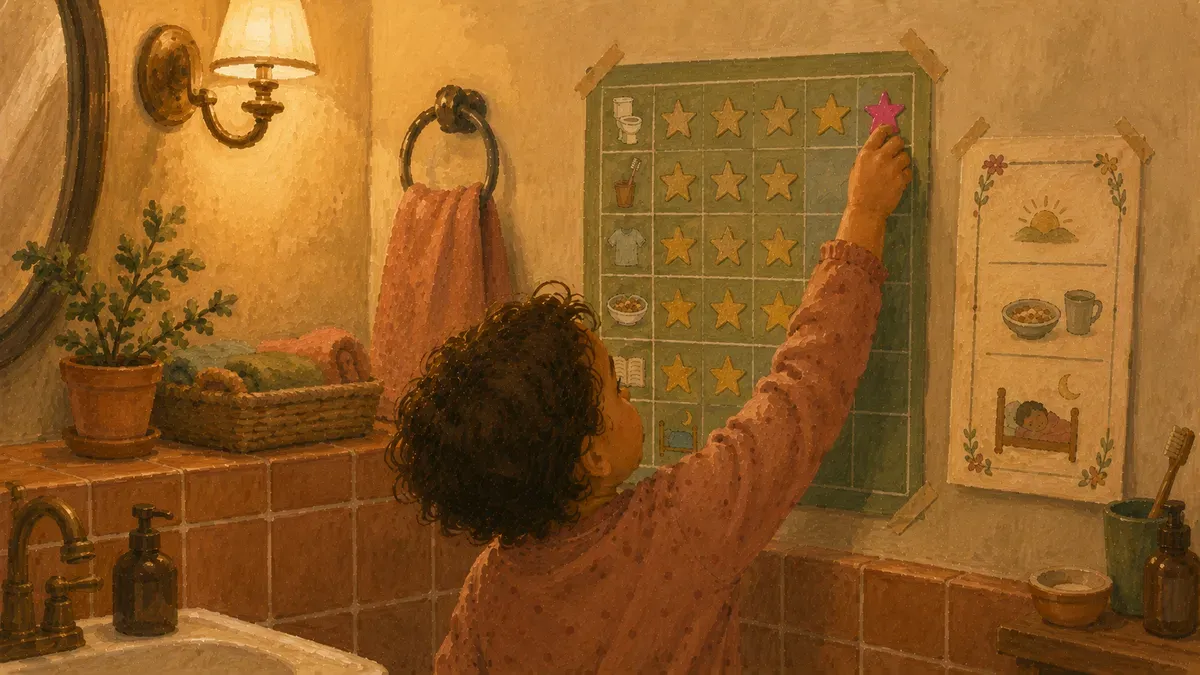
Chart Themes and Reward Ideas Kids Want
Pick the theme your kid is already obsessed with, not the one that matches your bathroom. June filled in a rainbow chart because she begged for it. Eli only sat for the dinosaur one, and even then I had to let him roar after every sticker. The theme is the bribe before the bribe.
For rewards, keep them small and instant. A fried brain needs fast wins, not a points economy:
- a sticker she gets to choose from the sheet
- one minute of a silly song and dance
- a stamp on the back of the hand
- a marble in a jar that fills toward something tiny
Save the big stuff for the certificate. If the sticker chart stops pulling and the engagement fades, that is your cue to swap incentives, not to quit. Our reward chart guide has more potty training ideas when you need a fresh motivation hook to keep a stalled week moving.
Pick a Potty Training Method That Fits Your Kid
Sometimes a stalled week has nothing to do with the reward and everything to do with the method. Before you swap incentives one more time, check two things: whether your kid is actually ready, and whether they’ll do better with a fast weekend push or a slower, no-pressure drip.
How to Know Your Child Is Ready
Forget the calendar. The age on the box means nothing if your toddler isn’t showing the signs yet, and pushing before then is how a smooth week turns into a standoff.
The American Academy of Pediatrics puts most kids between 18 and 24 months for the early signals, and lists the green lights to watch for:
- Staying dry at least 2 hours at a stretch
- Grunting, squatting, or hiding when they go
- Following a simple two-step instruction
- Asking for big-kid underwear
Here’s the catch the AAP also makes: the body is usually ready by 18 months, but the brain part, connecting the urge to the potty, often clicks on after the second birthday. That gap is why so many “early” starts stall.
With June, the tell wasn’t dryness. It was her marching off behind the couch to fill her diaper in private. Once you spot two or three of these, that’s how to start potty training for real: pick your pace. If your kid checks every box and you’ve got a free weekend, the fast push of the 3 day potty training method is your potty training 101 fast lane. Slow, sign-by-sign, works too.
Fast-Track vs. Gradual Approaches
Two real choices, and the right one depends on your kid, not the calendar. A 3-day intensive push clears the diapers off the table, parks you at home for a long weekend, and runs the toddler to the potty every hour until the connection clicks. The gradual route stretches the same learning process over weeks, one ordinary day at a time, no pressure.
Here’s how the two potty training methods actually shake out:
- 3-day push: fast, all-in, no diapers from hour one. Needs a cleared weekend, a child who’s hitting every readiness sign, and a parent with the stamina to commit. The 3 day potty training method lays out the hour-by-hour version.
- Gradual program: slower, lower-stress, built around your normal routine. Forgiving if you’re short on time or your toddler’s motivation runs hot and cold.
Timing matters more than method. The AAFP clinical review found intensive training does little before 27 months, and the skills it leans on land after 24 months. Start too early and even the best potty training program stalls. Match the pace to the kid, wait for the green lights, and either road gets you to dry independence.
What the Experts and Free Resources Say
Once the method clicks, it helps to have backup that isn’t your own gut. Below is the pediatric guidance worth trusting, the readiness and timing notes you can lean on when doubt creeps in, plus the free printables and books I’d grab before spending a dime on anything fancy.
AAP Guidance Every Parent Should Know
The American Academy of Pediatrics says one thing louder than the rest: don’t force it. Their pediatric guidance on toilet training readiness is plain about it. Their guidance covers a few points worth keeping close:
- Wait for readiness: behavioral, emotional, and developmental signs together.
- Praise wins when they come. Skip the candy or food treats.
- Encouragement works. Pressure doesn’t.
That readiness piece matters more than any developmental milestone chart taped to the fridge.
There’s a permission slip buried in the pediatrics research too. If your kid digs in and flat-out refuses, taking a one- to three-month break to rebuild trust is a real, recommended move, not a failure.
I learned that with Eli. We pushed during a stressful move, he shut down, and stepping back for a month reset everything. If you’re seeing that wall, read the signs your child is not ready for potty training, then circle back with our complete potty training guide.
Free Printables and Books to Grab Next
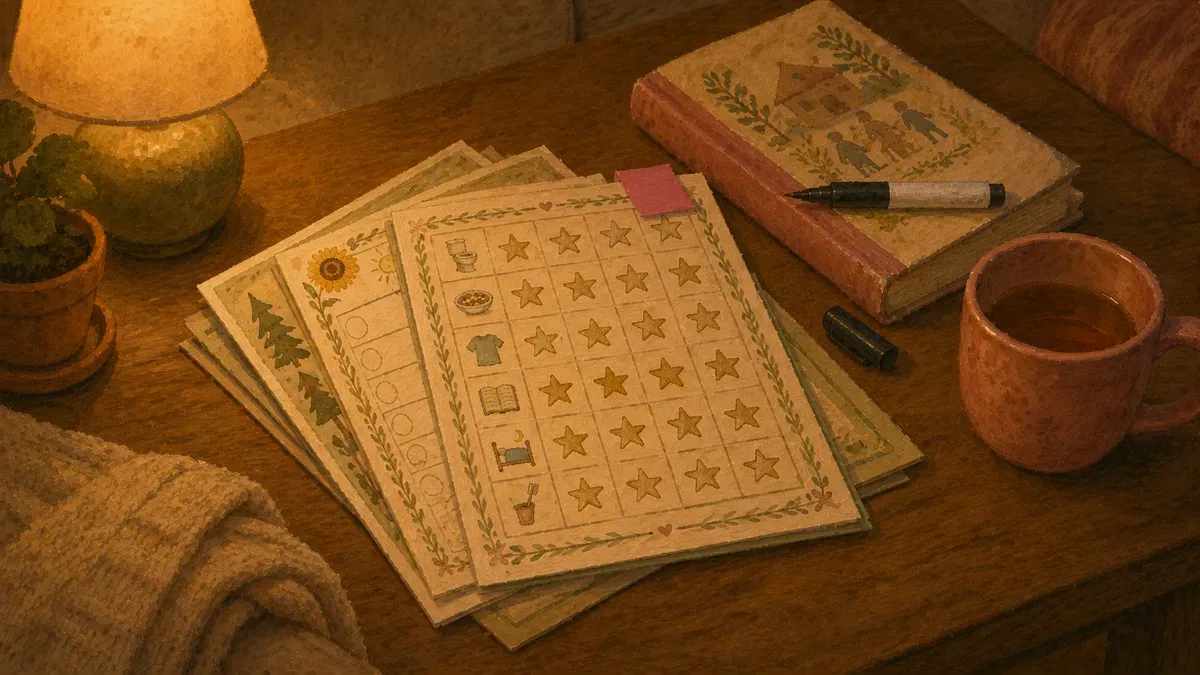
Before you spend a dime, grab the free stuff. Most of what you need lives right here: the printable certificate up top, plus chart templates you can run tonight. For a wider haul of potty training resources, hospital and pediatric sites give away schedules, reward charts, and tracking sheets that cost nothing and print in seconds.
Free covers the goals for most kids. Print, hang, celebrate the small wins, repeat.
When you want real potty training assistance in book form, one title earns the buy. The best potty training book for a parent who wants a full method is Jamie Glowacki’s Oh Crap! Potty Training, 304 pages of an encouragement-first, no-shame system that reads like a friend who’s done it, not a manual. It’s sold over a million copies and holds a 4.5-star average across 14,000-plus parent reviews, so you’re not gambling on a stranger’s method. Check the current price on Amazon before you buy.
Found this useful? Save it for the next rough afternoon.
Questions parents ask me about this
How do you make a potty training certificate for toddlers?
Grab a printable certificate template, type in your child's name in the biggest font, add the date, and sign it yourself. The signature is the part that makes a toddler treat it as official, so don't skip it. Print it, then hang it at their eye level where they'll actually see it.
What should a potty training certificate say?
Lead with a big, proud title phrase, then the child's name, the date, and a parent signature. Try "Official Potty Training Graduate," "I Use the Potty All By Myself," or "Big Kid Underwear Champion." Keep it short and celebratory, since you'll be reading it aloud anyway. The wording matters less than the ceremony of handing it over.
At what age should a child be fully potty trained?
There's no universal finish line, and chasing the age on the box backfires. Most kids start showing readiness signs somewhere between 18 and 24 months, but the brain often catches up to the body after the second birthday. Watch the child, not the calendar. Some are dry by two, plenty aren't ready until three, and both are normal.
What is a potty and when should I introduce one?
A potty is a small, low toilet sized for a toddler so their feet reach the floor and they feel steady. Introduce it once you spot readiness signs: staying dry for stretches, hiding to go, or following a simple two-step instruction. Let them sit on it clothed at first to get comfortable, no pressure to perform. Familiarity comes before training does.
How long does potty training usually take?
For daytime, plan on running a sticker chart for roughly 10 to 14 days until your child is staying dry between bathroom trips. Some kids click in a single intensive weekend, others stretch it out over weeks, and a few take a break and come back later. Speed depends on the kid's readiness, not the method. Slower is not failing.
What do you do if your toddler regresses after getting the certificate?
Stay calm and don't take the certificate down or treat it as undone. Regressions are normal, especially after a big change like a new sibling, a move, or starting daycare. Go back to your potty schedule, keep the praise warm, and skip the shame. If they're truly resisting, a short break to rebuild trust often resets the whole thing better than pushing through.
How is night-time potty training different from daytime?
Daytime is a learned skill; staying dry overnight is mostly a physical one your child can't rush. Their body has to mature before it slows urine production through the night, and that develops on its own timeline, often well after they're dry all day. So treat them separately. Nail daytime first, keep nighttime diapers without guilt, and let dry mornings tell you when they're ready.
Do potty training charts and certificates really work?
They work as a system, not as magic. A chart carries the daily progress with one gold star per win, and the certificate closes it out by naming a clear finish line the child can finally feel. Rewards tend to lose their pull after two to three weeks, which is exactly why the handoff at the end matters. Pair the daily tracking with a real graduation moment and most kids stay motivated to the end.
Written by
Nora Hayes
Mom of two and a former preschool aide. I share the screen-free sensory play and calm-down ideas I test at my own kitchen table, plus what the moms in my little meet-up swear by. A parent passing on what works, not a doctor or a therapist.
More about NoraKeep going
All Potty Training-
 Potty Training
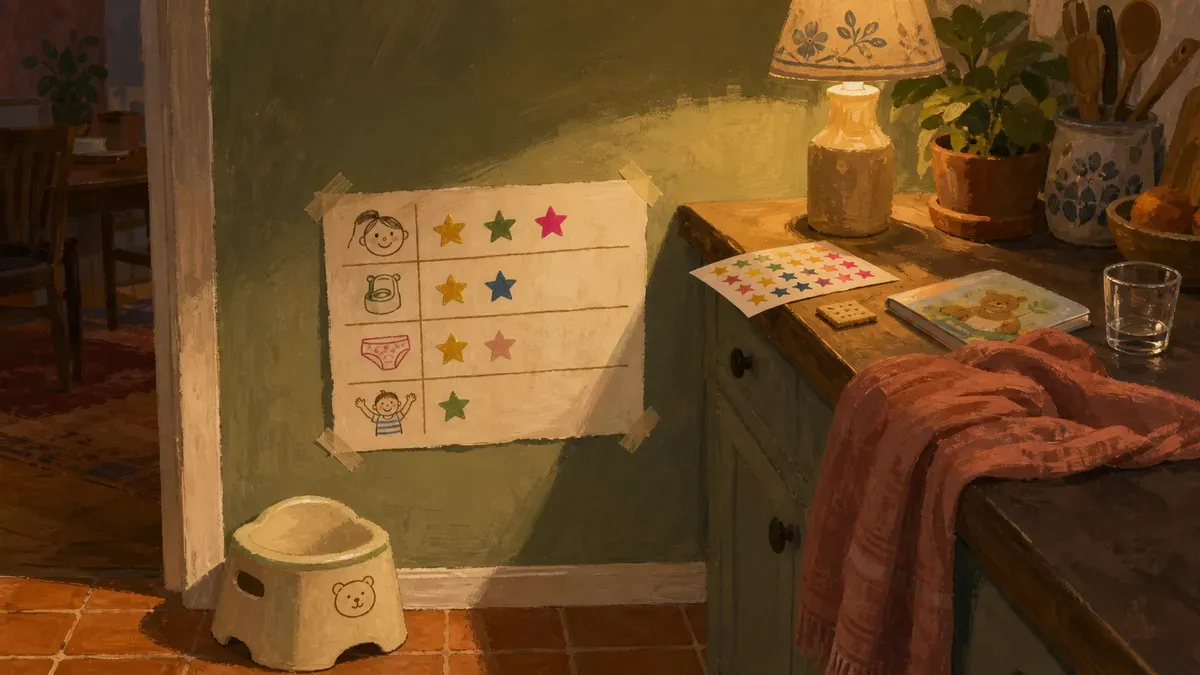
Potty Training Reward Chart: 20 Ideas Under $3
Skip the toy aisle: build a potty training reward chart with 20 ideas under $3 you already own. Grab the plan that motivates a stubborn toddler.
-
 Potty Training
How to Potty Train a Boy (and How a Girl Differs)
How to potty train a boy in 3 to 6 months: the readiness signs, the step-by-step method, and the small things that differ for girls.
-
 Potty Training
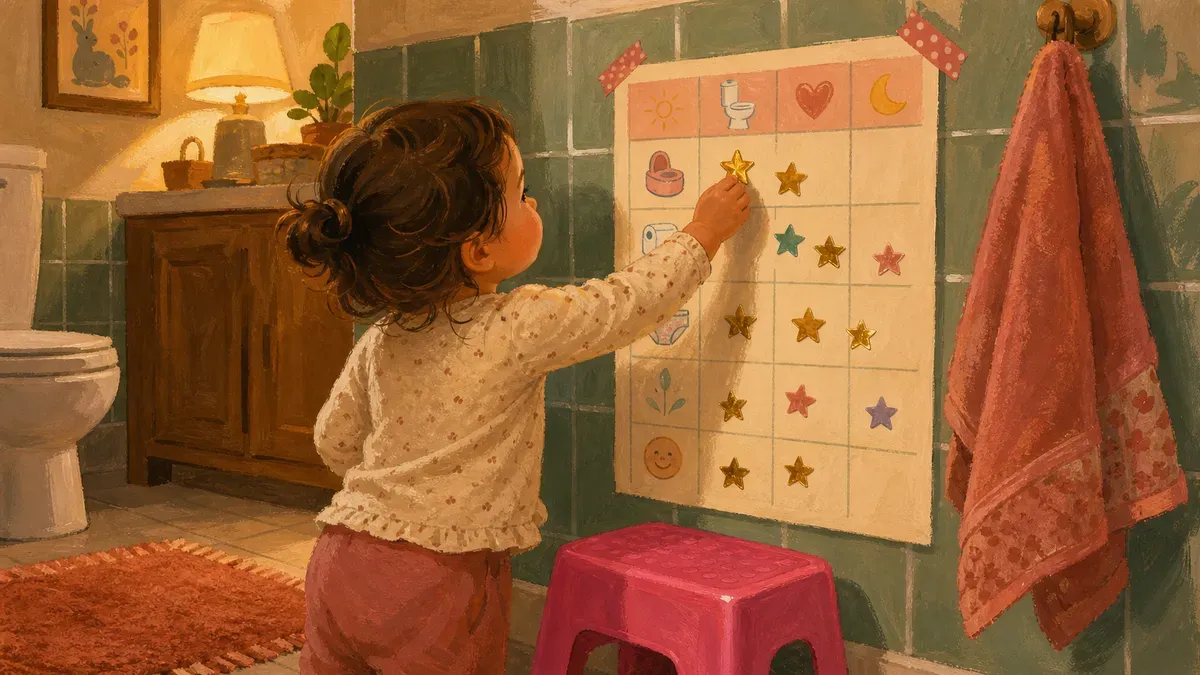
Potty Training Sticker Chart Printable (Free Download)
Free potty training sticker chart printable that survives travel and routine resets. Print, sticker, reward, reuse anywhere. Download now.
-
 Potty Training
Poop in the Toilet: Why Kids Pee Fine but Won't Poop
Kid pees fine but won't poop in the toilet? Here's why it happens, plus the exact steps that fix it without a fight. Start tonight.