Color Activities for Kindergarten Kids Who Can't Sit Still

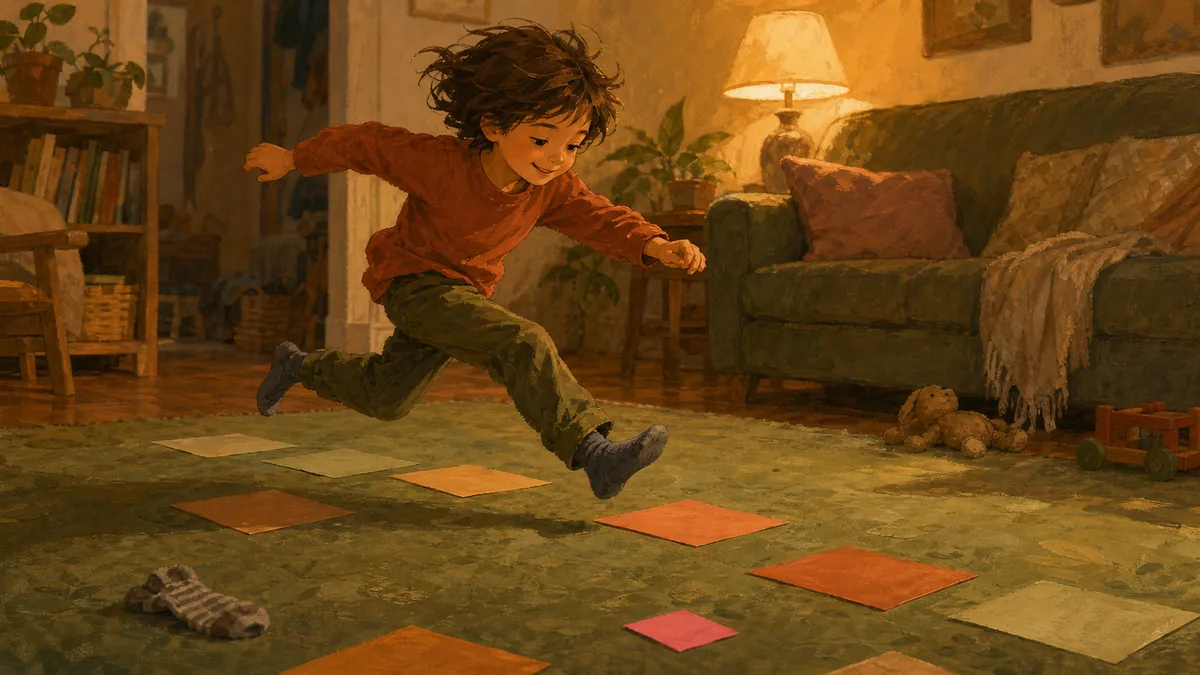
Color activities for kindergarten kids who hate sitting actually work when movement is built in, not bolted on as a reward. I’m Nora Hayes, a former preschool aide and mom to a sensory-seeker, and I’ve watched kids who flat-out refused worksheets flip completely once they got to run and toss instead of sit and circle. Below are 10 movement-based color games that teach the same skills while your kid stays on their feet.
Why Active Kids Learn Colors Better on Their Feet
High-energy kids don’t resist sitting because they’re being difficult. Their bodies are asking for something the chair can’t give them.
When a kid is running, jumping, or crouching to touch a colored square, their gross motor system is firing. That movement isn’t competing with learning - it’s fueling it. Two studies put numbers to it.
- 495 children across 72 classrooms showed measurable gains in executive function when they got at least an hour of gross motor play built into their day.
- A Danish randomized study found kids doing movement-based lessons scored 1.87 more correct answers than kids learning the same concepts seated.
Executive function is the mental horsepower behind color recognition: holding a color name in working memory, comparing it to what’s in front of them, making the call.
Movement activates the visuo-spatial memory that helps new information stick. That’s multisensory learning in action - body, eyes, and brain working together instead of the brain doing all the heavy lifting alone.
Visual discrimination (spotting red vs. orange, sorting by shade) clicks faster when the whole sensory system is awake. The difference is which channels are running:
- Sitting still to circle the red apple: one channel (eyes).
- Hopping to the red hoop, then the orange one: eyes, body, and memory working at once.
Play-based learning isn’t a workaround for kids who won’t sit. For a sensory-seeker, it’s often the only setup where learning actually sticks. If you want a low-prep version of that, learning colors do a dot is a good bridge between movement and fine motor work.
10 Movement-Based Color Activities That Beat Sitting Still
Here are ten ways to get colors into a body that won’t stop moving, grouped by how much room and prep you’ve got. None of them ask your kid to sit, and all of them have survived an actual living room with two loud kids in it.
- Call a color, they find it and go
- Race the clock to collect a set
- Let the kid be in charge of calling
- Find two colors in sequence
- Leap across paper squares in the right order
- Aim a beanbag at the matching bin
- Driveway chalk targets
- One-color sweep of the yard
- Stand-up digging bin with dyed rice
- Pouring and mixing at a low outdoor table
Color Scavenger Hunts and Run-and-Touch Games
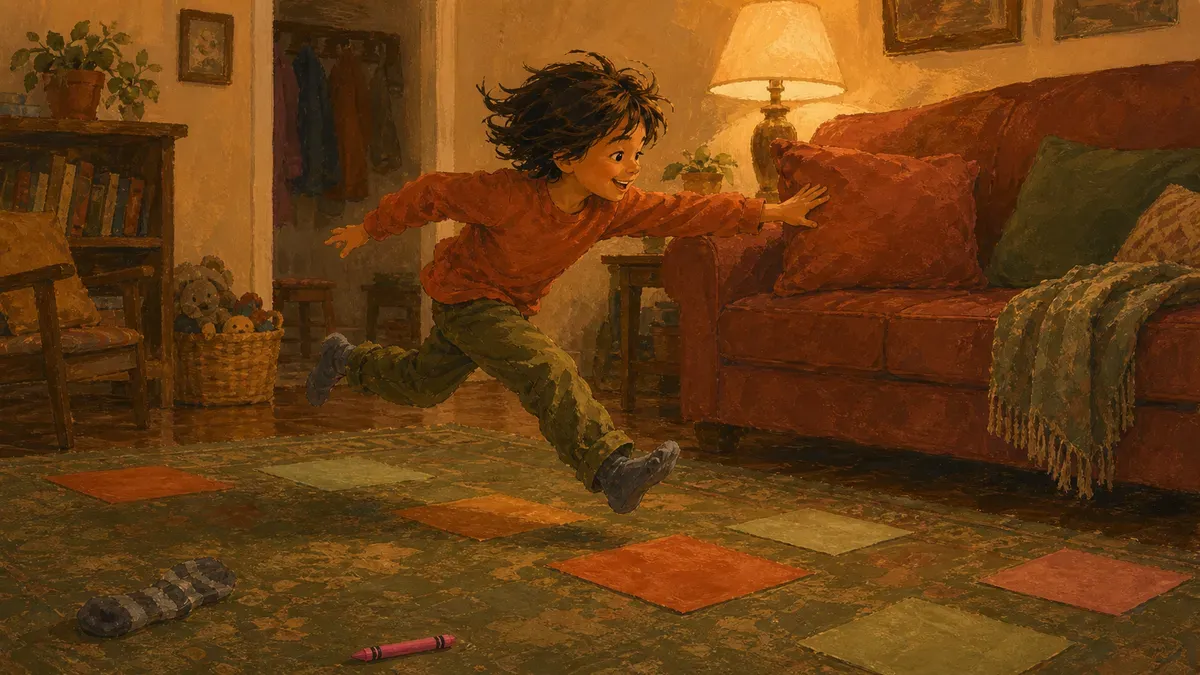
Call out a color and let them sprint. “Find something red, go!” sends a kid tearing across the room to slap a hand on a couch cushion, a crayon, a sock. That’s the whole game, and it’s the one I reach for when somebody’s been bouncing off the walls since breakfast.
A scavenger hunt turns color recognition into a full-body errand. Their eyes scan, their legs run, their hand confirms. You’re stacking color naming on top of cardio, and the running is the part that makes the naming stick.
A few ways to stretch one game into twenty minutes:
- Race the clock: “Three blue things before I count to ten” pushes harder than a casual hunt and keeps a fast mover from losing interest.
- Let the kid call the colors instead of you. They find something, shout the next one, and now they’re running the whole game.
- Play wrong on purpose: call the wrong color deliberately and see if they catch you. They almost always do, and they love it.
- String two colors together so they have to touch red, then blue, in order. That layers working memory on top of the sprint.
For the under-3 crowd still working on naming, don’t quiz. Say the color out loud yourself, point, and let them run to it. According to The OT Toolbox, most kids match and point to a named color well before they can say it on demand, so leaning on “go touch the yellow one” meets them right where they are. If you want a gentler, screen-friendly version of the same idea for a calmer moment, this learn color game runs on the same find-and-touch instinct.
Tape, Toss, and Jump Color Floor Games
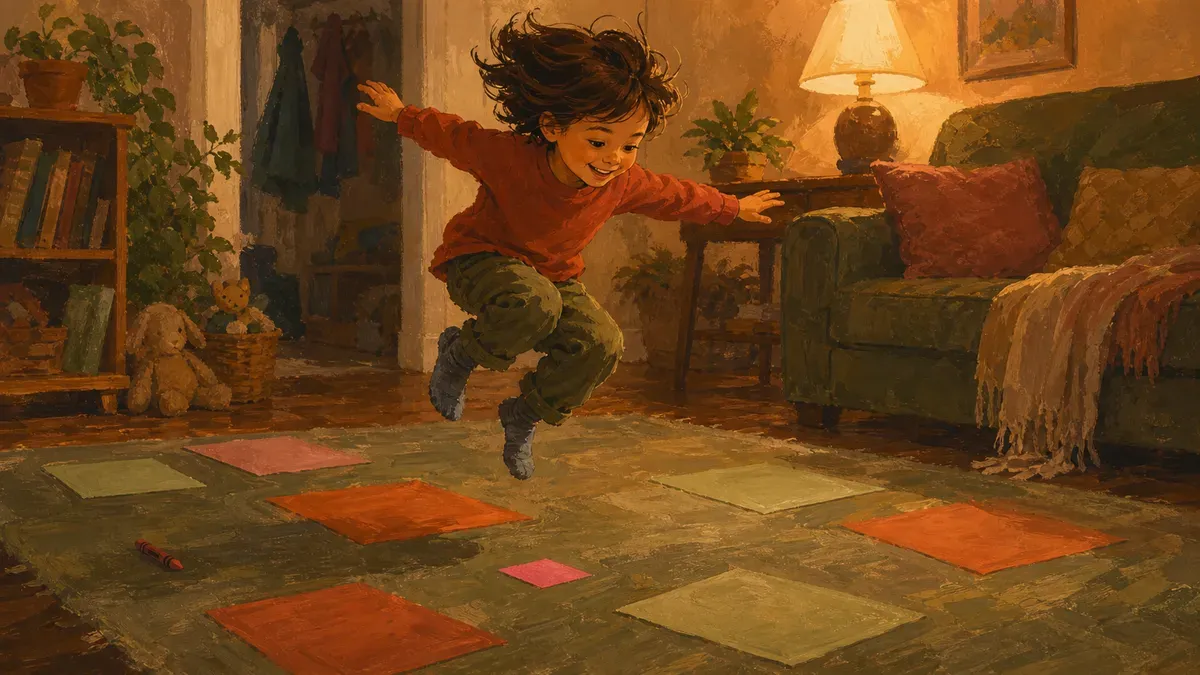
When the scavenger hunt has run its course, take it to the floor. A roll of colored tape, a stack of construction paper, or a few hula hoops turn your carpet into a board they jump across instead of around.
Lay down squares of paper or tape outlines in different colors, then call one out: “Jump to red!” They leap, they wobble, they land.
- Basic: one color at a time, they leap to the matching square and land.
- Sequence hop: call two colors back-to-back so they work across without breaking rhythm.
- Speed round: shorten the gap between calls and the balance work multiplies.
Beanbag toss is the other half of this. Set out colored hoops or bins as targets, call a color, and they aim a gentle underhand throw at the right one. Per the OT Mom Learning Activities site, a bean bag toss builds hand-eye coordination, balance, core stability, and crossing the midline from one underhand throw, and it suits kids as young as three or four. So when your kid is chucking a beanbag at the green hoop, they’re not just learning green.
This is low-prep on purpose. You’re sorting and matching colors, sharpening the visual discrimination it takes to tell one target from another, and burning energy, all with manipulatives pulled from a junk drawer. No special anything required.
Outdoor and Sensory Color Play
Two formats pull the most weight out here:
- Chalk racetrack: five blobs on the driveway, you shout a color, they sprint to it and back. Longer runs than inside, and they’re genuinely tired after.
- One-color nature sweep: pick a single color per round and send them hunting. You get leaves, a bucket, a watering can, a forgotten shoe.
“Find me three green things” out in the yard means leaves, grass, a watering can, a stray bucket. There’s a real case for this beyond fresh air. Yard-based color activities work well from toddler through kindergarten, and the observation skills kids build outside outlast what they pick up at a table. Hunting colors in real grass beats hunting them on a worksheet.
For the sensory-seeker who needs hands in something, set up a stand-up bin. Pour in dyed rice or water beads, drop in objects of two or three colors, and let them dig and sort while standing at a table or out on the patio.
A few outdoor and sensory color setups worth trying:
- A bin of dyed rice with colored scoops to sort into cups.
- Colored water in cups they pour and combine, standing at a low table outside.
The sorting is hands-on learning at its plainest: grab, look, decide, drop it in the matching cup. That’s color sorting and sensory bins doing the same job in five minutes, and most of it cleans up with a broom. If it ends in two minutes because somebody dumped the whole thing, that still counts. Try it again tomorrow.
No-Prep Color Games You Can Start in 30 Seconds
You don’t need a bin of dyed rice or a roll of painter’s tape to keep things going. Some of the best color games need nothing except whatever’s already in the room.
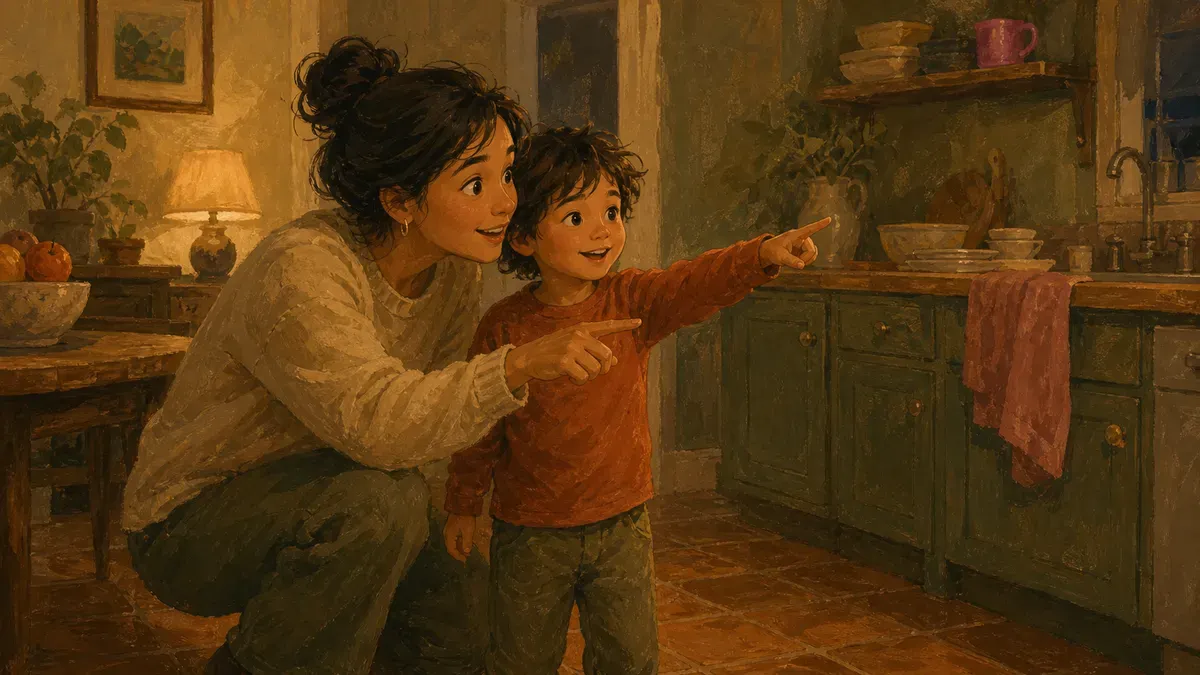
- I Spy with a color focus. Call out a color and see how fast they can find it. No rules, no turns, no pieces. “I spy something orange” and they’re off. Add a running component and it becomes a quick color activity that eats five minutes without any setup at all.
- Color tag. Pick a color and tap every object that color before time runs out. Works in the kitchen, the backyard, a waiting room. Zero materials.
- Sock sorting. Dump the laundry basket and sort by color. They think it’s a game. You get matched socks. Win on two levels.
- Color calls. You shout a color, they freeze, then point to something that matches. Easier than I Spy for under-3s still building color identification, because they only need to point, not name.
- Window color hunt. Stand at a window and take turns calling colors visible outside. Two minutes, no mess, good for a stir-crazy kid who needs the world to feel a little bigger.
The thing about low-prep play is that it keeps color naming woven into ordinary moments instead of saving it for a dedicated activity block. A kid who hears “can you hand me the blue cup?” fifty times a day is doing color identification practice without either of you noticing.
If it works tonight, it’ll work tomorrow morning too. Keep it in the rotation.
Adapting Color Play for ADHD and Sensory-Seeking Kids
Some kids need the routine-woven stuff all day long because sitting still for any dedicated activity, even a short one, isn’t in the cards yet. If that’s your kid, the fix isn’t finding a better worksheet. It’s adjusting how much movement the activity builds in from the start.
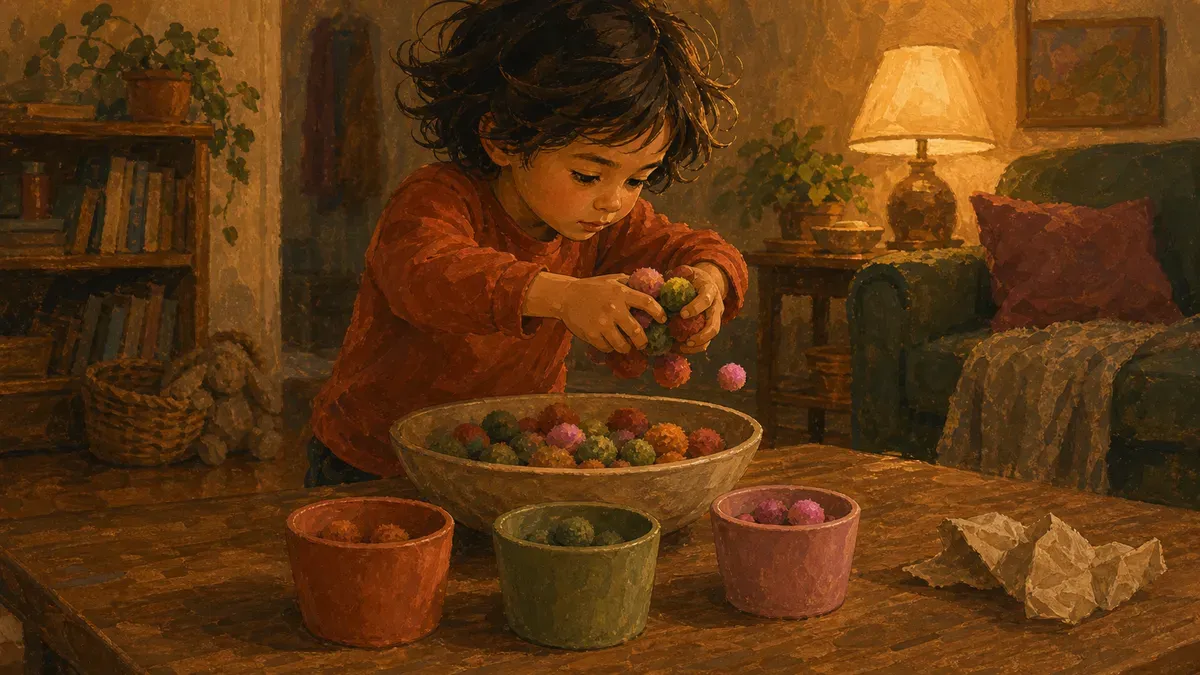
A UC Davis MIND Institute study of 44 children found that kids with ADHD were significantly more accurate on a demanding attention task when they were moving more intensely. Not despite moving. Because of it. That changes how you set up color recognition activities: movement isn’t the reward at the end, it’s the input that makes learning stick.
For sensory-seeking kids specifically, multisensory learning works better when there’s something to squeeze, throw, crash into, or stomp. Here’s what to adjust:
- Swap sitting for standing or crouching. A color sort at floor level with gross motor reaching gets more buy-in than the same task at a table.
- Add a physical response to every color call. Jump on red. Spin on blue. Stomp on green. The body anchors the color concept faster than a flashcard can.
- Use heavy materials. Bean bags, a weighted ball, wet sand in a bin. The proprioceptive input from sensory play settles the nervous system before the cognitive task even starts.
- Keep rounds short and repeating. Two minutes of color matching, a lap around the yard, repeat. Sprints beat marathons for this brain type.
- Expect noise and movement as participation, not disruption. Developmental stages vary, and a three-year-old grunting while they sort is often deeply engaged.
For setup ideas built around this profile, the color matching games adhd kids guide walks through variations by energy level and sensory need.
The game doesn’t need to look calm to be working. If your kid is on their feet and chasing colors, that counts.
Keeping a High-Energy Kid Engaged Through Color Learning
Engagement isn’t about getting a kid to sit longer. It’s about reading when they’re done and coming back tomorrow.
Color vocabulary follows a predictable arc. Toddlers point before they name. They name before they use color words in a sentence. A two-year-old saying “red” when you hold up a block is not behind; they’re right where the developmental stage calls for. Pressure to name before they’re ready kills the game faster than anything else.
What actually builds the vocabulary is repetition through movement and multisensory learning. When a child runs to a red square, touches it, says the word out loud, and tosses a beanbag on it, the body is doing the remembering: ears, feet, hands, and voice all working at once. Worksheets ask one. That’s why active, play-based learning produces faster word recall than flash cards. A body in motion is a brain paying attention.
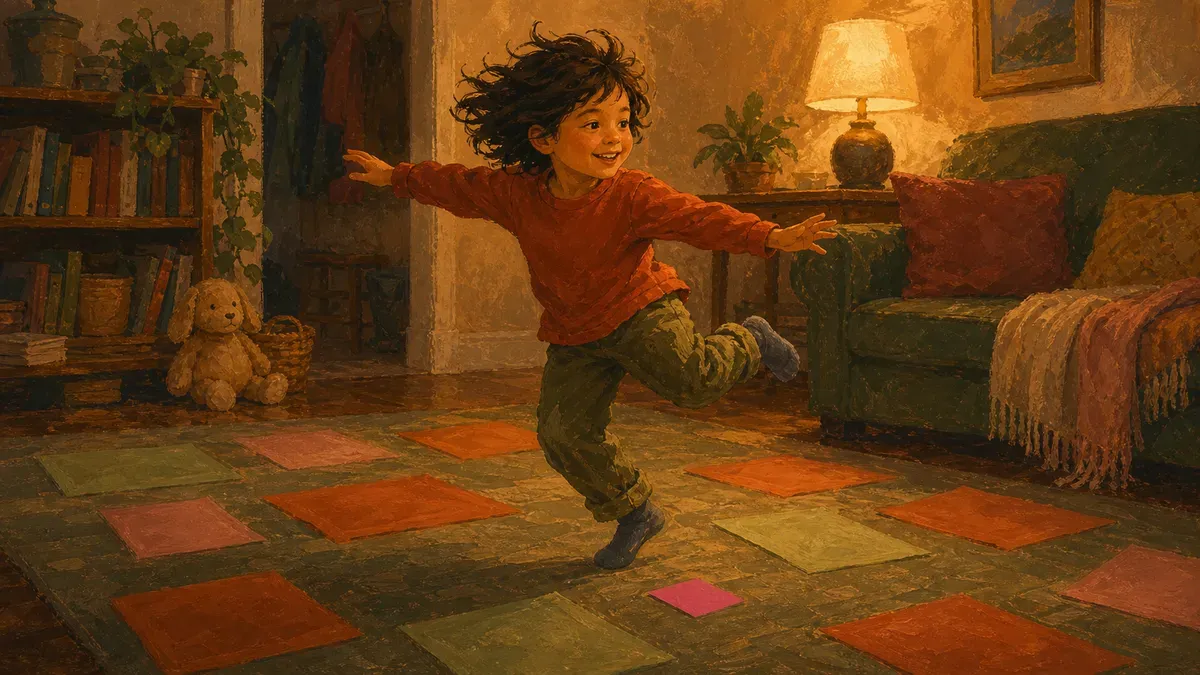
The American Academy of Pediatrics 2018 “The Power of Play” report found that play builds the executive function a child needs to hold a color rule in mind while running to act on it.
- Under 3: stick with pointing and matching; skip the pressure to name the color yet.
- Preschoolers: layer in a short verbal prompt mid-motion (“what color did you land on?”) and it lands better than asking before or after the move.
When the novelty fades (and it will, usually by day three), rotate the game, not the concept. Keep the color, change the body. Swap the beanbag toss for a color stomp. Check out our full collection of do-a-dot color learning activities for one more format to pull in when you need a calmer variation without losing the hands-on thread.
The learning accumulates across sessions, not within them. Ten solid minutes four days a week beats forty minutes on a Tuesday.
Found this useful? Save it for the next rough afternoon.
Questions parents ask me about this
What color activities work best for active kindergarten kids?
Anything that gets a high-energy kid moving works better than anything that keeps them seated. Color scavenger hunts, run-and-touch games, jump-to-color floor targets, and beanbag tosses at color bins are all solid starting points. The format matters less than the movement: if they're on their feet responding to a color call, they're learning.
How do I teach colors to a kindergartner who won't sit still?
Stop trying to get them to sit and build the color work into the movement instead. Call out a color and let them sprint to something that matches, sort socks by color while standing at the laundry basket, or turn color I Spy into a race across the room. Kids who can't sit still are not broken. They just need the input to come through their body, not around it.
Are movement-based color games as effective as worksheets?
For high-energy kids, yes, and often more so. In my experience, kids with ADHD and sensory-seeking profiles tend to focus better when they're moving intensely than when they're expected to sit still. A movement game delivers the concept through the body and repeats it every round; a worksheet asks a child to sit still and absorb it once.
What color games can I play outside with my kindergartner?
Nature color hunts are the easiest outdoor option: pick a color and see how many things in the yard or on the walk match it. Sidewalk chalk color races, where you call a color and they run to the chalk line of that color, take about two minutes to set up. Outdoor play adds the bonus of novelty because colors show up in real-world context, which tends to stick better than a flashcard.
How long should a color activity last for a high-energy kid?
Ten minutes of genuine engagement is a win. Most color activities at this age run five to fifteen minutes before the novelty fades, and that's exactly right. When interest drops, stop. The learning stacks across the week, not within a single session, so five short bursts add up to far more than one long reluctant sit.
Which colors should I teach my kindergartner first?
Start with the basics: red, blue, yellow, green, orange, purple, black, and white. Those eight cover most of what kids encounter in daily life and in kindergarten classrooms. Once they can match and point to those reliably, adding the color words and then using them in sentences follows naturally. Pointing and matching before naming is a healthy, normal step. No need to rush past it.
Do color activities help with fine motor skills too?
They can, depending on the activity. Sorting small objects by color, pinching dyed pompoms into a muffin tin, or using tongs to move colored items all build the hand strength and pincer grip that kindergartners are developing. Movement-first activities like scavenger hunts and color races lean toward gross motor, so if fine motor is also a goal, mix in a bin-sorting or manipulative activity alongside the bigger movement games.
Written by
Nora Hayes
Mom of two and a former preschool aide. I share the screen-free sensory play and calm-down ideas I test at my own kitchen table, plus what the moms in my little meet-up swear by. A parent passing on what works, not a doctor or a therapist.
More about NoraKeep going
All Learning Colors-
 Learning Colors
Colours for Childrens: The Order to Teach Them
Teaching colours in a random order slows toddlers down. Get the exact order to teach colours for childrens, plus activities that stick. Start today.
-
 Learning Colors
Color Activities for Preschool That Actually Stick
Most color lessons fail because they teach too many at once. These color activities for preschool use one color at a time so it sticks. Start today.
-
 Learning Colors
Color Activities: 20 No-Buy Ideas From Your Home
Color activities you can set up in 2 minutes with household stuff. 20 no-prep sorting, matching, and mixing ideas kids love. Try one today.
-
 Learning Colors
Color Activity That Clicked for My 2-Year-Old
This 5-minute color activity finally clicked for my 2-year-old when nothing else did. See the setup, why it works, and what to try when it flops.