Play Dough Things to Make: 20 Toddler Activities

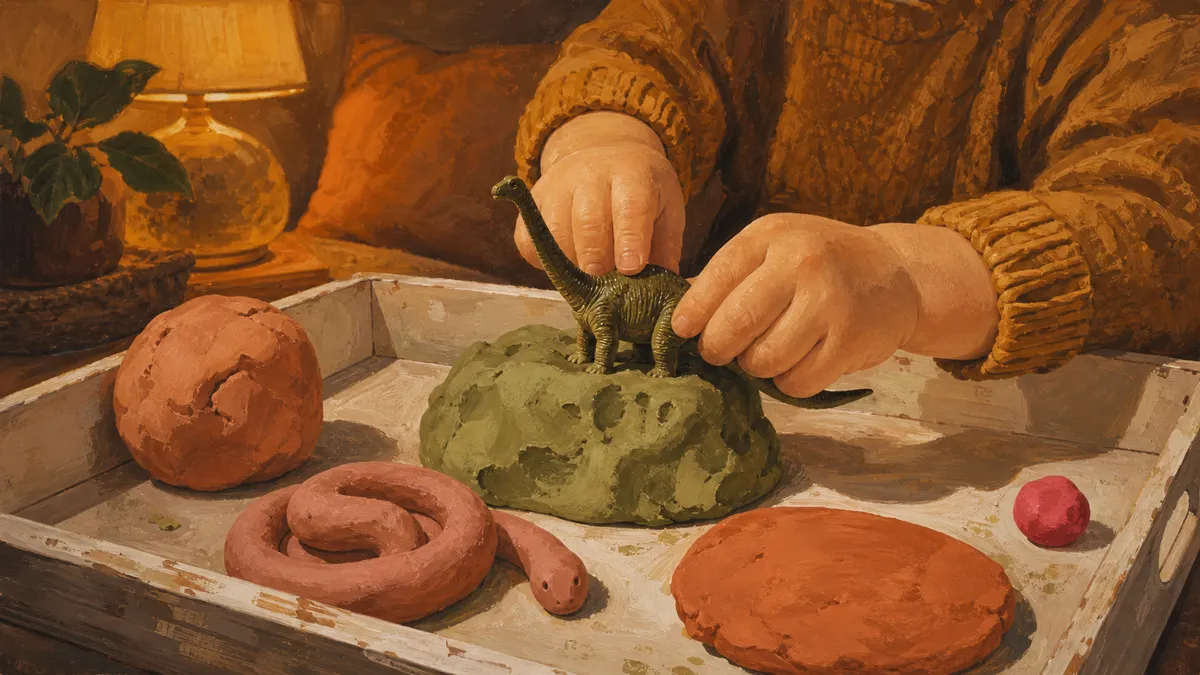
The playdough comes out, they squeeze it once, and then they’re gone.
I’m Nora Hayes, former preschool aide and mom of two, and I’ve watched that exact scenario play out hundreds of times with my own kids and the families in my local sensory play group, so I started tracking which setups held attention past the four-minute mark and which ones didn’t. These 20 play dough things to make are sorted by engagement level, from the two-minute quickies to the setups that buy you a solid fifteen.
Why Some Playdough Activities Hold Toddlers Longer Than Others
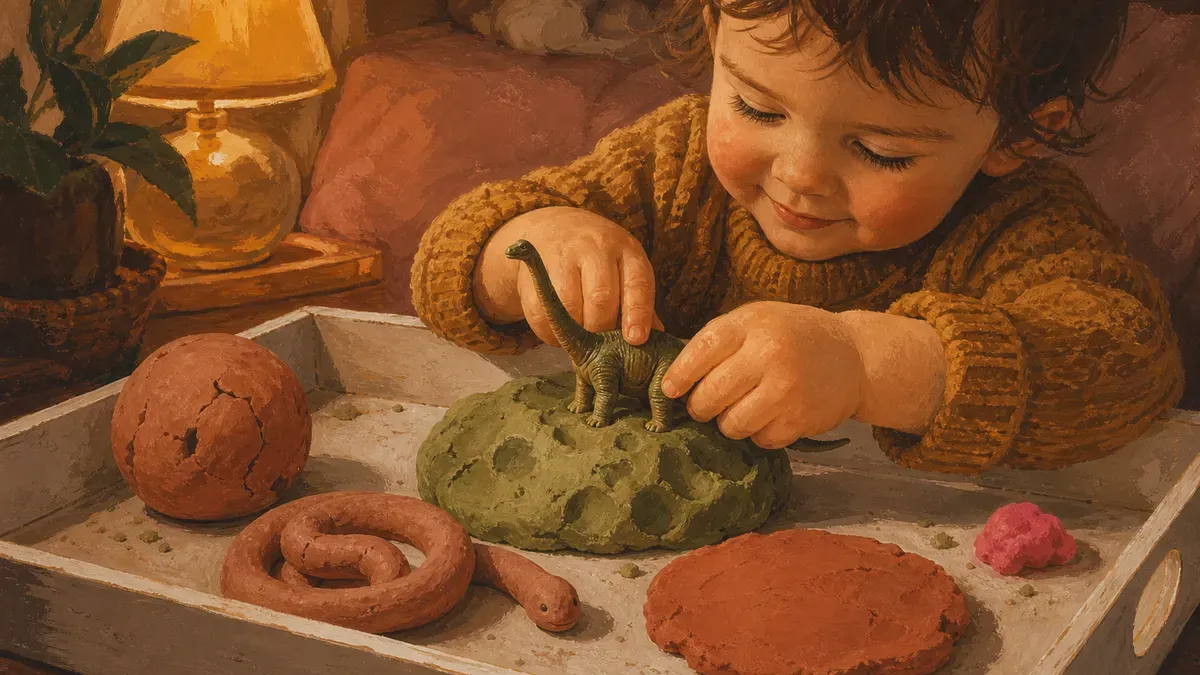
The short answer: the activity has something to figure out. A ball of plain dough handed to a two-year-old gives them about ninety seconds before they’re bored. Add a toy dinosaur and a pile of buttons to press in, and you’ve bought yourself a real session. Brain Balance puts toddler attention spans at roughly 2-3 minutes per year of age, so a well-matched activity can keep a three-year-old focused for 6-9 minutes.
The setups that beat that number share three things:
- Open-ended play with no right outcome
- Sensory input that keeps their hands busy
- Enough loose parts to discover something new every few minutes
Sensory play that activates touch, sight, and proprioception at once holds attention longer than a single-sense activity. The brain keeps processing instead of clocking out.
A simple playdough invitation to create with a few objects on a tray will outlast a stamping kit every time. If you’re also working on playing with playdough fine motor skills, the good news is these same setups double as hand-strengthening work. The playdough mats activities hub has a dozen themed mat ideas if you want a more structured version of the same approach.
Start with the quick wins if you’ve got five minutes, or jump to the themed setups when you want something that holds for longer.
Quick Wins: Easy Play Dough Things to Make in Under 5 Minutes
These are the activities to reach for when you need something in your hands in thirty seconds. No setup, no craft supplies, no plan. Just dough and a flat surface. The OT Toolbox notes that pinching, rolling, and flattening playdough develops the pincer grasp and hand-eye coordination, both fine motor milestones for toddlers aged 18 months to 3 years. Every one of the quick wins below hits those movements without requiring anything except the dough itself.
-
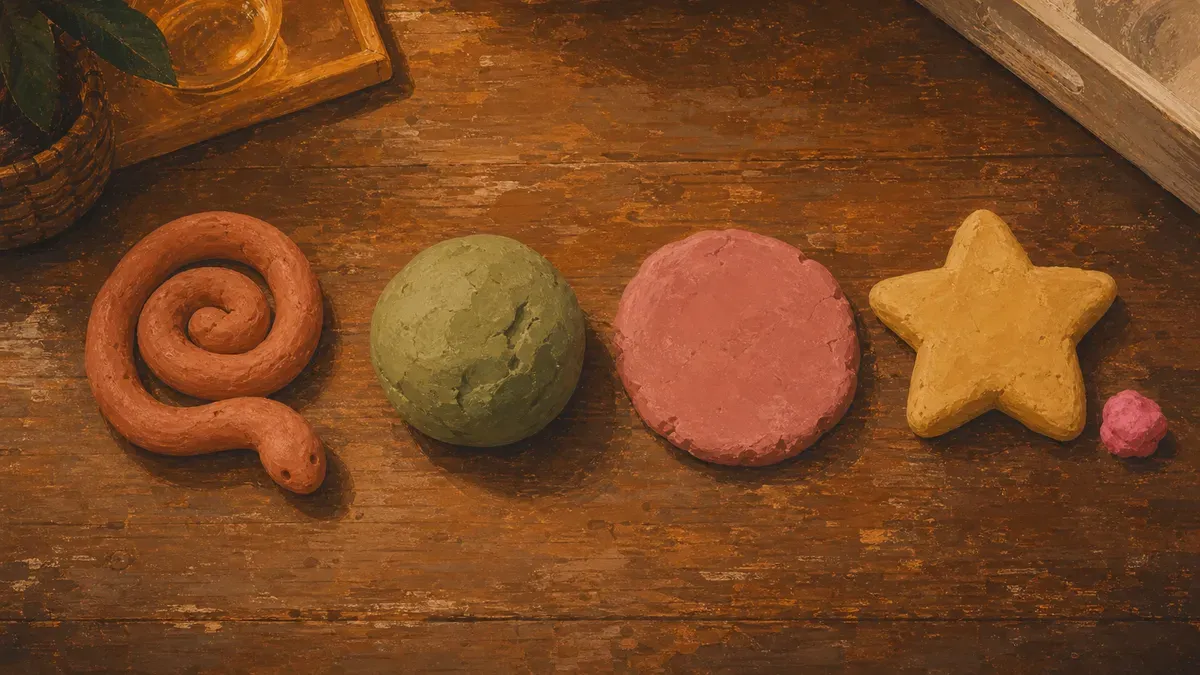
The snake. Roll a long, thin log between both palms. Easy stuff to make with playdough, and a great starting point, it’s the first shape most toddlers master. Make a fat one, a skinny one, coil it. Done.
-
The ball. Cup the hands together and roll in a circle. Make five. Stack them. Smash them. This is not boring to a two-year-old.
-
The pancake. Flatten a ball with a fist, then with fingers. Stamp the edge with a thumb. Press in a cookie cutter and lift it out. These are easy playdough creations that also build real hand strength, pressing down on dough requires the same force as squeezing a pair of blunt scissors.
-
Impressions. Press anything with a flat or textured bottom into a thin pancake: a fork, the end of a crayon, a toy wheel. Lift, look at the print, press again. Each new object resets their interest.
-
The worm farm. Poke a chopstick or pencil into a flat slab to make holes. Stuff short log “worms” into each hole. Pull them out. Stuff them back in. This one consistently runs long.
-
Letter stamps. If you have any plastic letter toys, press them into a rolled flat slab and peel the dough away. Easy things to make with playdough that accidentally teach shapes.
-
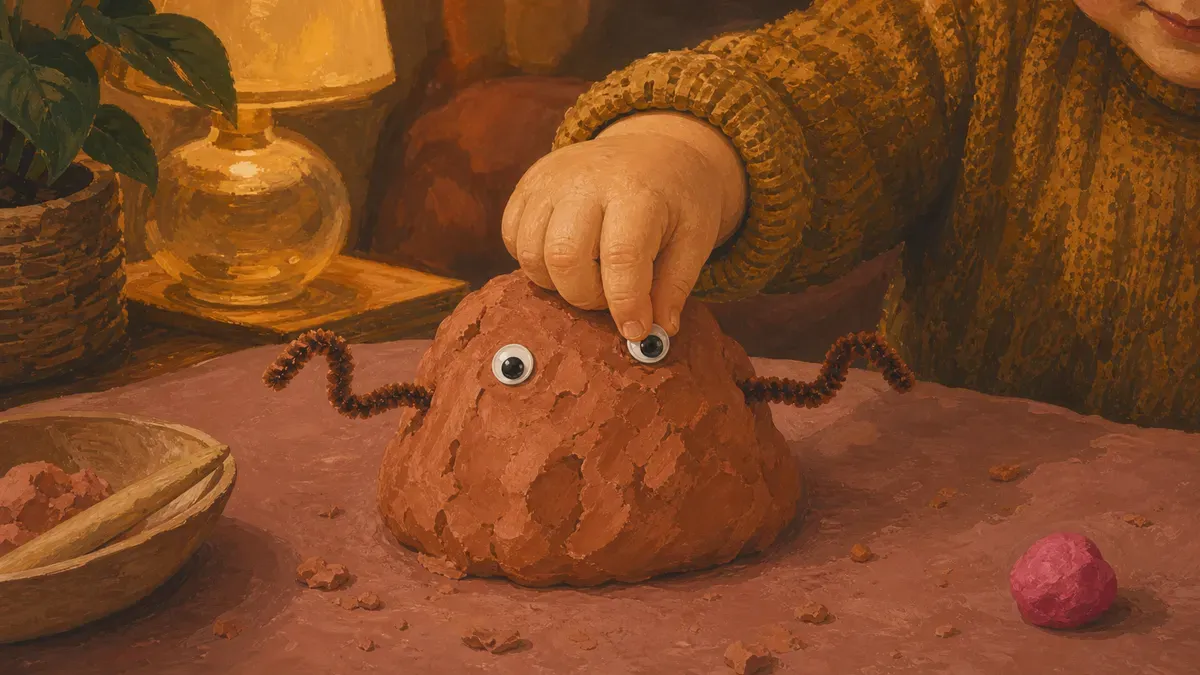
The monster face. A ball, two smaller balls for eyes, a rolled strip for a mouth. Press in googly eyes if you have them. This takes maybe three minutes to make and then gets smashed and remade, which is half the fun.
For how to play with playdough when you’ve got a mat or a themed setup, that guide walks through the step-by-step. Brand-name play doh works just as well as homemade for all of these, but for now these seven don’t need anything beyond rolling, squeezing, and stamping shapes.
Themed Play Dough Ideas That Stretch Into 15-Minute Sessions
Themed setups are where things get genuinely long. The secret is loose parts, small objects to press in, arrange, and discover, combined with an open-ended invitation to create with no fixed outcome. You lay out the tray, you step back, and the toddler narrates their own story. That’s how seven minutes becomes fifteen. For more themed mat setups, see our playdough mats activities hub.
-
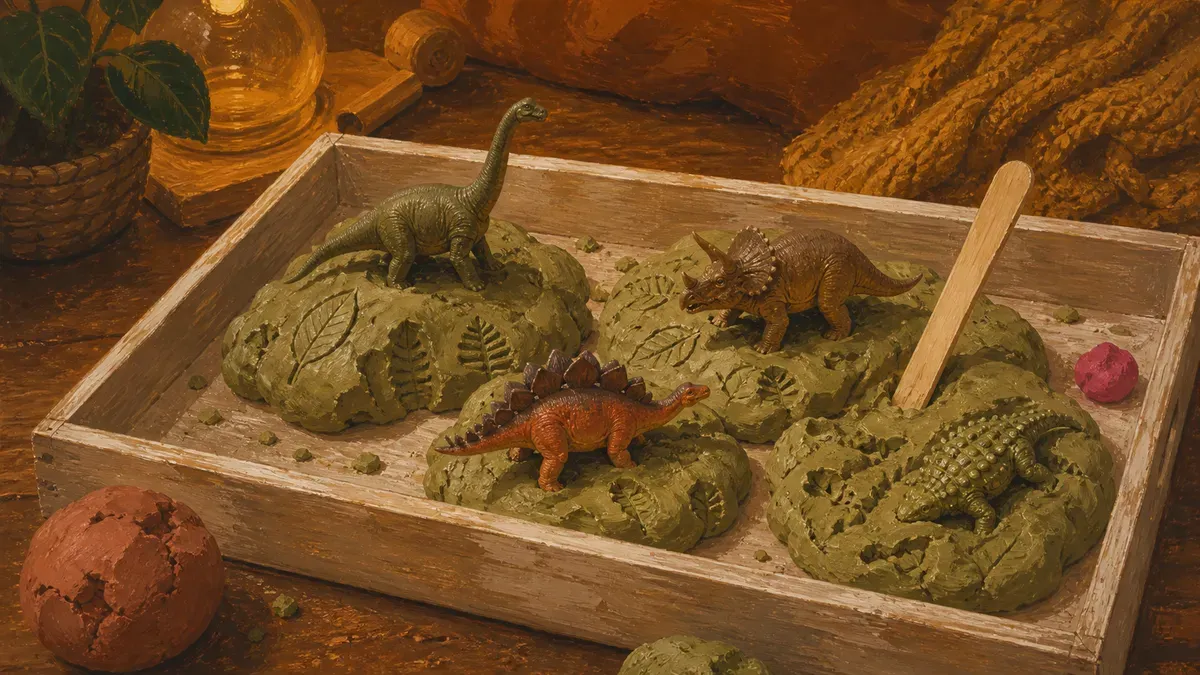
Dino fossil dig. Green or brown dough, five to eight small plastic dinosaurs, and a handful of craft sticks for “excavating.” Press the dinosaurs into flat slabs, cover them, and hand the tray to your toddler to dig them out. Then they hide them for you. This one runs long because it has a narrative, hide, discover, repeat. The imagination takes over and you barely need to be involved.
-
Ocean tray. Blue dough, a few seashells from a dollar bin, and any small sea creatures you have. Press shells to make impressions. Stack creatures on dough rocks. Build a whale that’s slightly too big for the “ocean.” For a sensory-seeker, adding a sprinkle of fine salt to the blue dough gives it a slightly gritty texture that most kids love.
-
Farm tray. Yellow dough for hay, green for grass, a flat brown slab for a barn wall. Little farm animals go in the paddocks. This builds into a whole small world with zero prompting from you, themed play like this taps imagination in a way that plain rolling doesn’t.
-
Pizza parlor. Red dough for sauce, white or yellow dough for cheese, scraps of other colors for toppings. Cookie cutters for slicing. This setup consistently runs at my house because there’s a social layer, “ordering” and “delivering” the pizza adds a dramatic play element that the purely tactile activities don’t have. The 10-playdough-mat-themes guide on play dough creations has more variations on this if you want a themed mat version.
-
Nature tray. Take the dough outside. Collect leaves, twigs, pebbles, and pinecones. Press them into flat slabs and pull them up to see the nature tray impression. Doing this outside means the cleanup is basically zero, whatever falls off is already outside.
-
Construction site. Gray or brown dough as “concrete,” toy trucks for making tracks, a couple of plastic trees. Build a road, flatten it, drive the trucks through. Then redo it. The truck-track stamping is endlessly satisfying.
Whether you use homemade dough or play-doh, these playdoh-style setups all respond well to one move: when interest dips, add one new object to the tray, not replacing the whole setup, just dropping in something unexpected. That resets the exploration loop and can turn a six-minute doh session into a fifteen-minute one.
Playdough Creations That Build Skills While They Play
These activities look like play. They are play. But they’re also doing real work on the fine motor skills front. The OT Toolbox points out that playdough supports hand strength, pincer grasp, finger isolation, and bilateral coordination, all in one session. And a study in PMC links mastery of those skills in early childhood to later success in writing, reading, and math. Your toddler doesn’t need to know any of that. They just need to think they’re making stuff.
-
Letter snakes. Roll out a long snake and curve it into a letter. Doing this with a two-year-old is low-pressure: you make the letter, they smash it. Gradually they start making it with you. This is hands-on learning that takes zero time to explain.
-
Counting caterpillar. Roll a ball for a head and then make a numbered line of smaller balls for the body. Put one ball for one, two for two, as far as your toddler’s counting goes. The making stuff with playdough is the vehicle, and it’s one of the best things to make from playdough when you want counting to feel incidental rather than forced.
-
Name letters. If your kid is three or older and starting to recognize their name, roll out each letter and lay them flat in order. This is as close to “educational” as these activities get, but it still passes as playdough creations in a toddler’s mind.
-
Spider web. Flatten a slab and press thin logs of dough in radiating lines from a center point. Poke a spider (a small bead or toy) in the middle. This builds fine motor skills in the pinching and placing, and it has enough narrative that the toddler keeps adding to it.
-
Ice cream shop. Roll balls in different colors, stack them into a “scoop,” and press them into a cone shape made from a triangle of flattened dough. For two-year-olds who are into play doh for 2 year olds, this is one of the best because it has enough steps to keep them occupied but each step is achievable at that age.
-
Build a bridge. Roll two fat log pillars. Flatten a slab for the road and lay it across. This one introduces basic engineering thinking, if the pillars are too short, the road sags. They notice, they fix it, they do it again. The hands-on learning here is quieter than the letter activities but often runs longer.
Things to Make with Play Dough When You Only Have 10 Minutes
Ten minutes is actually a lot. That’s enough time for a complete setup, a full session, and a rough cleanup, if you pick the right activity. These are the ones designed for that window. They’re faster than the themed trays above but more structured than the quick wins, which makes them good for transitions or “we need something to do right now” moments.
-
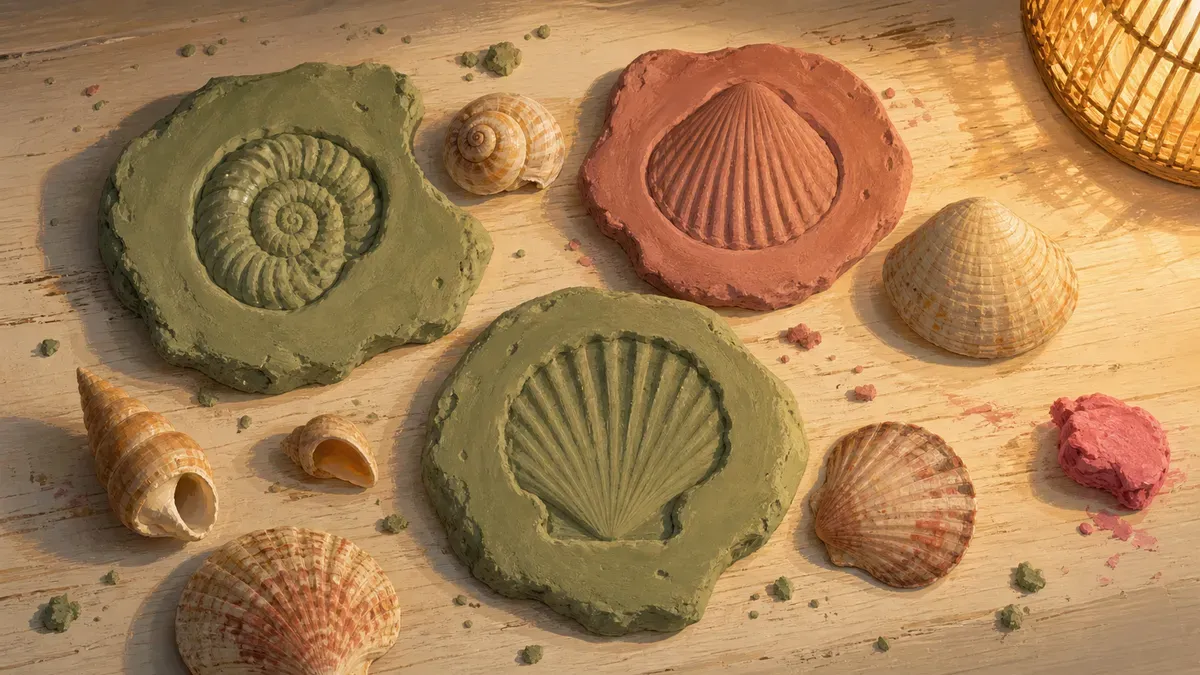
Seashell fossils. Flatten a slab with a rolling pin, press a few shells in firmly, lift them out. The texture impression left behind is surprisingly detailed. The developmental skills in this one are in the pressing, both hands working together, significant downward force needed. Add a few animal tracks stamps (plastic dinosaur feet work) and you’ve got a full fossil dig tray in ninety seconds.
-
Pinch pot. Press a thumb into a ball and slowly pinch the walls up and out. This is what to make with play dough when you want a short activity that actually teaches a hand skill, the rotation and even pressure required is harder than it looks for a two-year-old, so it takes real concentration.
-
Rainbow snake. Roll out four or five thin logs in different colors. Twist them together slowly. The color-mixing at the overlap points is always interesting to them. This is what to make with playdough when they want to see something happen quickly, the transformation from separate rolls to one multi-colored snake is visible in real time.
-
Dough beads. Roll small balls and poke a hole through each with a toothpick or pencil. Thread them on a pipe cleaner when you have enough. For kids who are drawn to small, precise movements, this is the highest-engagement activity in the list. Check out the play doh with toys guide if you want to see which tools are actually worth buying for this kind of work.
-
Animal tracks tray. Flatten a big slab. Hand over any plastic animal or toy with textured feet and let them walk it across. Then try to match the tracks to the animal. Ten minutes goes fast here because there’s a detective element, which feet made which marks.
How to Keep Playdough Fresh So Activities Don’t Get Ruined
Dough that crumbles mid-session kills the activity faster than anything else. Store-bought stays soft in its sealed container; once opened, airtight storage is the rule. Homemade dough in a sealed container at room temperature lasts a couple of months, knead in a drop of water if it stiffens.
Three things that ruin dough faster than leaving the lid off:
- Grit gets in. Flour, carpet fiber, or sand mixes in and never comes back out. Use a clean tray or silicone mat.
- Colors fully mixed. Swirling is fine and toddlers love it, just stop before full brown blob territory.
- Stored warm. Car or direct sun makes it sticky in a way that doesn’t recover. Cool and dark.
If your toddler eats it, switch to a taste-safe homemade batch, that phase always passes. A playdough recipe for preschool costs less per batch than store-bought and lets you control texture and scent, which matters for sensory-sensitive kids.
The dough is not precious. If it gets ruined, make more. The play is the point. When you want play dough ideas that stay fresh and don’t crumble mid-session, fresh doh matters as much as the activity itself. The creations your toddler makes with playdoh last longer when the dough stays soft and workable.
Found this useful? Save it for the next rough afternoon.
Questions parents ask me about this
What fun things can you make with play dough?
Snakes, balls, pancakes, fossils, pizza, bridges, monsters, and letter shapes. The things that hold attention longest are setups with a loose part to press in or discover, a toy dinosaur, a shell, a button, not just freeform dough on its own.
How do I get my toddler to actually play with playdough instead of eating it?
For under-twos, use a taste-safe homemade recipe, flour, salt, and cream of tartar won't hurt them. For older toddlers, the eating phase usually passes within a few sessions once the novelty wears off. Keep portions small.
What age can toddlers start making things with playdough?
Most kids can handle supervised playdough by 18 months, where it's mainly squeezing and poking. By two they start intentionally making shapes. Three-year-olds can do themed setups and most of the skill-building activities.
What tools make playdough activities easier for toddlers?
A rolling pin, a few cookie cutters, and a plastic knife for cutting logs. That's the full kit for most of these activities. You don't need a dedicated tool set to get started.
How long should a toddler playdough session last?
As long as they stay engaged. A quick-win activity might run 5 minutes; a good themed tray can run 20. When interest dips, drop something unexpected onto the tray, a new small toy, a shell, a button, instead of ending the session. That usually buys another stretch.
Can playdough activities teach letters and numbers?
Yes, without any pressure. Rolling a snake into a letter shape, making a counting caterpillar, or pressing number stamps into a flat slab covers early literacy and numeracy while feeling like pure play.
What do you do when playdough dries out mid-activity?
Knead in a few drops of water. If it's crumbling past saving, swap in a fresh batch. Keep a small sealed container of backup dough so a dried-out ball doesn't end the session.
Written by
Nora Hayes
Mom of two and a former preschool aide. I share the screen-free sensory play and calm-down ideas I test at my own kitchen table, plus what the moms in my little meet-up swear by. A parent passing on what works, not a doctor or a therapist.
More about NoraKeep going
All Playdough-
 Playdough
What Is a Play Dough? Beginner's Guide to Mats
What is play dough, and how do mats turn squishing into real learning? Plain-English answers plus age-by-age starter ideas.
-
 Playdough
Play Doh for 2 Year Olds: Setups That Run Themselves
Most 2-year-olds eat play doh before they shape it. Here's how to set up play doh for 2 year olds so they play. Start in 3 steps.
-
 Playdough
Playing With Playdough Fine Motor Skills That Last
Playing with playdough fine motor skills do more than entertain - they build the exact hand strength kids need to hold a pencil. See how, and try it.
-
 Playdough
Play Doh Age: Signs Your Toddler Is Really Ready
Most parents wait too long. Play doh age starts at 2, but one readiness sign matters more than the number. Learn when and how to start today.